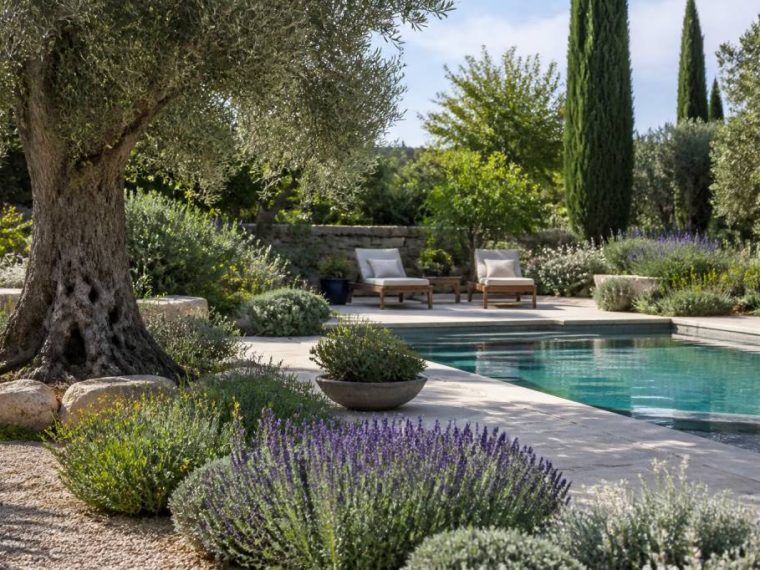
Designing a drought-resistant Mediterranean pool garden is less about reducing comfort and more about redefining it. The Mediterranean landscape has long been associated with warmth, texture, fragrance, and outdoor living that feels both relaxed and refined. When adapted around a swimming pool, this aesthetic can deliver a highly sustainable environment that uses less water, demands less maintenance, and still creates an atmosphere of luxury. For homeowners who want a pool area that feels timeless rather than trend-driven, this approach offers a strong balance between beauty, resilience, and practicality.
A well-planned Mediterranean pool garden responds to climate first. It embraces plants that naturally tolerate heat and dry periods, hardscape materials that age gracefully, and design choices that minimize unnecessary irrigation. Instead of relying on lush, water-thirsty lawns or high-maintenance tropical schemes, the garden draws its character from silvery foliage, aromatic shrubs, gravel, stone, terracotta, and shade structures that soften the outdoor experience. The result is a space that feels elegant and settled into the landscape, rather than imposed upon it.
Start with the climate and the site
The most successful drought-resistant pool garden begins with an understanding of the specific site conditions. Even within a Mediterranean-inspired design, microclimates can vary significantly depending on sun exposure, wind, soil type, and topography. Areas near the pool may receive intense reflected heat, while sheltered corners may retain more moisture. These differences matter when selecting plants, planning irrigation, and deciding where to position seating, pergolas, or planting beds.
Before choosing materials or plants, observe how the space behaves during different times of day. Note where shadows fall, where glare is strongest, and where water naturally drains after rainfall or pool splashes. A thoughtful design works with these conditions rather than trying to fight them. In dry climates, every decision should support water efficiency, from the slope of the ground to the placement of mulch and the depth of planting beds.
Choose a Mediterranean planting palette
The signature of a Mediterranean garden lies in its plant palette. These gardens are typically built around species that thrive in sun, tolerate poor soil, and recover well from periods of drought. Around a pool, that resilience is especially valuable because plants must also withstand heat reflection, occasional splashing, and exposure to wind.
Common choices include lavender, rosemary, santolina, cistus, thyme, phlomis, salvia, and ornamental grasses with a light, airy movement. Olive trees, bay laurel, cypress, and pomegranate can provide structure and a stronger architectural presence. For a softer layered effect, you can combine low mounds of drought-tolerant perennials with taller specimen plants that create depth and privacy.
Plant selection should also take into account pool safety and cleanliness. Avoid species that shed excessive flowers, fruit, or sticky sap directly into the water. Instead, favor plants with tidy growth habits and foliage that does not create frequent debris. A restrained planting scheme often feels more luxurious than an overcomplicated one, especially when it frames the water with clarity and calm.
- Lavender for fragrance, pollinators, and silvery texture
- Rosemary for structure, scent, and culinary value
- Olive trees for sculptural form and classic Mediterranean character
- Santolina and artemisia for compact, drought-tolerant foliage
- Salvia and phlomis for long flowering periods and heat resistance
- Ornamental grasses for movement and seasonal softness
Prioritize soil health and water efficiency
Drought resistance starts below the surface. Even hardy plants struggle if the soil is compacted, overly sandy, or unable to retain enough moisture. Improving soil structure is one of the most effective ways to reduce long-term water use. In many pool gardens, the soil around the construction zone may have been disturbed or compressed, so it often needs amendment before planting.
Adding organic matter can improve moisture retention and root development, while a layer of mineral mulch such as gravel or crushed stone helps reduce evaporation. In Mediterranean-inspired gardens, this type of mulch also supports the overall visual language of the design. It keeps the planting areas crisp and bright, and it reduces the need for frequent replacement compared with organic bark mulches, which may break down quickly in hot, dry conditions.
Efficient irrigation is equally important. Drip irrigation is often the preferred choice because it delivers water directly to the root zone, where it is most needed. It minimizes waste, reduces leaf wetting, and helps prevent disease. A smart controller with seasonal adjustment can further improve performance by reducing irrigation during cooler months or after rainfall.
Balance hardscape and planting for a luxury feel
In Mediterranean design, hardscape is not simply functional; it defines the mood of the garden. Around a pool, surfaces must be visually cohesive, durable, and comfortable underfoot. Natural stone, textured porcelain pavers, washed gravel, and terracotta tones are all strong options. The best materials have a sense of authenticity and warmth, avoiding overly glossy or artificial finishes that can look out of place in a relaxed outdoor setting.
To create a sense of luxury, the hardscape should be carefully balanced with planting rather than allowed to dominate the garden. Wide coping stones around the pool, generous stepping areas, and defined seating terraces help create a polished appearance. Paths can be softened with planting at the edges, while gravel areas between plant groups give the design room to breathe. This interplay of solid and soft elements is one of the hallmarks of a successful Mediterranean garden.
Surface temperature is another practical consideration. In full sun, some materials can become uncomfortably hot, so choosing lighter-colored stones or heat-resistant pavers can improve usability. Texture also matters: rougher finishes provide better grip around wet areas, which is especially important for poolside safety.
Use shade to support comfort and plant resilience
Shade is a key ingredient in sustainable luxury. It improves human comfort, reduces heat stress on plants, and helps create a more usable outdoor space during the hottest part of the day. In Mediterranean-style pool gardens, shade is often introduced through pergolas, mature trees, vine-covered frames, or deep architectural overhangs that echo the forms of traditional southern landscapes.
A pergola can become both a design statement and a practical feature. Clad in drought-tolerant climbers such as jasmine or bougainvillea in suitable climates, it creates dappled shade and a sense of enclosure without fully closing off the space. Strategically placed trees can also protect seating areas from intense afternoon sun while contributing to the layered, established look that makes a garden feel complete.
Shade should be planned carefully so it does not block essential sunlight from sun-loving plants or create excessive dampness near the pool. The goal is selective relief, not total coverage. When done well, shade structures enhance the visual rhythm of the garden and make outdoor dining, lounging, and swimming more pleasant across the season.
Design for low maintenance without sacrificing character
One of the strongest advantages of a drought-resistant Mediterranean pool garden is that it can remain attractive with relatively low maintenance. This does not mean it is maintenance-free, but rather that the tasks are predictable and manageable. Plants suited to dry conditions usually require less pruning, less feeding, and less replacement than high-water alternatives. The garden can therefore look composed for longer periods with less intervention.
To keep the design refined, use repetition strategically. Repeated plant groups, consistent mulch materials, and a restrained palette of finishes create visual unity. This makes the garden easier to care for and gives it a more mature, high-end appearance. Excessive variety often increases maintenance demands and can make a space feel fragmented. A controlled palette, by contrast, reads as intentional and sophisticated.
It is also wise to plan access for maintenance from the beginning. Hidden service paths, discreet hose connections, and accessible planting beds make seasonal care simpler. The more convenient the upkeep, the more likely the garden is to retain its intended structure and aesthetic over time.
Incorporate water features thoughtfully
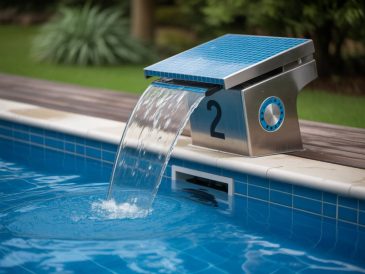
Although the focus is on drought resistance, water still plays an important role in Mediterranean garden design. In a pool setting, the pool itself already serves as the central reflective element, so additional water features should be used with care. A small rill, a wall fountain, or a minimalist basin can add sound and movement without overwhelming the low-water ethos of the garden.
If included, water features should feel integrated into the overall composition. Stone, limewash, clay, or aged metal finishes can help them blend with the surrounding materials. The sound of moving water can also soften the harder surfaces of the pool area, making the environment feel cooler and more tranquil. However, the feature should be efficient and scaled appropriately, avoiding unnecessary evaporation or visual clutter.
Layer textures and seasonal interest
A Mediterranean pool garden becomes more compelling when it offers texture at different levels. Silver foliage, matte leaves, soft grasses, rough stone, and terracotta accents all contribute to the tactile richness of the design. Because many drought-resistant plants flower in subtle ways, texture often carries the aesthetic more than color alone.
Seasonal interest can be created through staggered flowering periods, shifting foliage tones, and the changing form of the garden across the year. Spring may bring fragrant blooms and vivid green growth, while summer emphasizes silver tones and sculptural form. In autumn and winter, evergreen structure, bark, and stone become more prominent. This year-round visual continuity is especially valuable around a pool, where the landscape should remain attractive even when swimming activity slows.
- Combine upright forms with mounded planting to add depth
- Use repeated colors such as gray-green, olive, cream, and terracotta
- Mix fine and coarse textures for contrast without visual noise
- Introduce seasonal flowering in limited accents rather than overwhelming masses
Plan lighting and evening use
Luxury outdoor living often extends well beyond daylight hours, so lighting is an essential part of the design. In a drought-resistant Mediterranean pool garden, lighting should feel subtle and atmospheric rather than overly bright. Warm-toned fixtures can highlight tree trunks, olive branches, textured walls, and path edges while preserving the calm character of the space.
Low-energy LED lighting is a practical choice, especially when paired with timers or motion sensors. Uplighting a specimen tree or grazing a stone wall with soft illumination can create depth without visual clutter. Around the pool, discreet lighting improves safety and allows the water to become a luminous focal point after dark. The goal is to shape the experience of the garden, not just illuminate it.
Create a space that feels luxurious and responsible
A drought-resistant Mediterranean pool garden succeeds when it looks effortless but is in fact carefully considered. Its luxury lies in proportion, material quality, and the way each element supports both beauty and resilience. By selecting plants that belong in a dry climate, improving soil and irrigation efficiency, using durable natural materials, and relying on shade and texture rather than water-intensive planting, the garden becomes more sustainable without losing its sense of indulgence.
For homeowners, this design approach offers a compelling way to enjoy the pool as part of a broader outdoor lifestyle. It supports long afternoons, relaxed entertaining, and quiet moments in a setting that feels rooted in place. Rather than chasing excess, it creates a refined environment where every detail has a purpose. In a period of increasing water awareness, that kind of luxury feels especially relevant.