The sun dips low behind the hedge of laurels. The water in the pool, just brushed by the wind, glistens like polished glass. At this golden hour, every drop feels worth the sweat and hours poured into keeping that sapphire heart of the garden in pristine condition. But too often, even the most passionate pool owners overlook simple things—maintenance missteps that can turn a glorious retreat into a costly chore. Let’s walk together through the most common pool maintenance mistakes and discover how you can avoid them before they ripple into bigger issues.
Skipping Regular Water Testing
It always begins modestly. You dip your fingers in the water, it seems fine. Clear. Inviting. But beneath that apparent serenity, your pool water might be staging a quiet rebellion. Skipping regular water testing is like gardening without ever checking the weather—you’re left guessing, and nature has the final word.
Without routine testing, issues like imbalanced pH, too much chlorine, or high calcium hardness go unnoticed until it’s too late. Algae blooms, eye irritation, and damaged pool surfaces often follow.
How to avoid it: Test your pool water at least twice a week during the swimming season, and once a week when it’s off-season. Invest in a good-quality test kit or strips, and keep them close at hand—much like you’d never store your favourite secateurs in the back of the shed.
Neglecting the Filter System
Your filter is the unsung hero of your pool—the equivalent of a gardener’s compost heap, tirelessly breaking down impurities, day in and day out. Let it clog, and the whole garden wilts.
Many pool owners assume a filter, once installed, takes care of itself. But dirty filters reduce circulation, strain your pump, and ultimately lead to cloudy and potentially unsafe water. It’s a slow decline, often unnoticed until it’s undeniable.
How to avoid it: Clean your cartridge filters every 2–4 weeks, depending on usage, and backwash your sand or DE filters as recommended by the manufacturer. If you live in a leafy area (as I do), you might find debris entering your system faster—especially after a windy afternoon in autumn. Stay vigilant.
Overdosing with Chemicals
In the pursuit of crystal-clear water, it’s tempting to play the sorcerer—adding more chlorine “just in case” or tipping in algaecide because the neighbour mentioned it once. But too much of a good thing quickly spoils the balance.
Excess chemicals can corrode your equipment, stain your finishes, and irritate swimmers’ skin and eyes. As with mulch in the flower beds, more isn’t always better.
How to avoid it: Always follow recommended dosages and measure carefully. If you’re using chlorine tablets, make sure your dispenser isn’t overloading the skimmer. Keep notes—it helps to look back and understand how your pool reacts to different treatment levels, especially after storms or heavy use.
Neglecting the Pool’s Surroundings
Much like a tidy garden bed keeps pests at bay, maintaining the area around your pool is essential to water quality. Leaves, soil, and mulch from nearby landscaping can invite bacteria and clog your filter. An overhanging tree might look magnificent, but each falling blossom could bring a dose of phosphates into your pool—a feast for algae.
How to avoid it: Trim trees and hedges regularly, and consider adding gravel or paving around the immediate edge of your pool instead of soil-based landscaping. Do a quick sweep around the pool before diving in—it’s a small act with large reward.
Incorrect Water Levels
It’s subtle, but critical—too high, and the skimmer won’t work properly. Too low, and your pump could run dry, quickly burning out. Water level fluctuates more than you think, affected by evaporation, splashing, and rainfall.
More than once, I’ve come out after a summer storm to find my pool practically cuddling the coping stones—and a flooded skimmer box desperately trying to keep up. Conversely, after a heatwave, I’ve seen the water dip alarmingly low, threatening the health of my old but loyal pump.
How to avoid it: Keep the water level between one-third and one-half up the skimmer opening. Check every few days during hot or wet spells. If you’re away for an extended period, arrange for a friend or neighbour to peek in, just as you might with a cherished fig tree needing careful watering.
Inconsistent Brushing and Skimming
A pool isn’t unlike a well-tended path through the garden; if you leave it untouched too long, nature finds a way in. Skimming and brushing are daily rituals that prevent small issues from becoming unsightly ones.
Algae, for instance, doesn’t begin green—it starts clear, forming slick patches that only brushing reveals. Debris left to sink invites uninvited guests from bacteria to insects, turning your backyard paradise into a murky mystery.
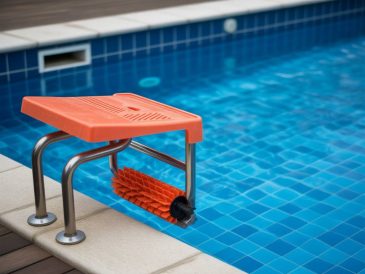
How to avoid it: Skim daily and brush the walls, steps, and floor at least twice a week. Invest in a good brush head suited for your pool type—vinyl, plaster, or tile. It’s the satisfying kind of chore, really—like deadheading roses or sweeping up fallen petals with a good broom.
Ignoring Seasonal Shifts
Every garden moves with the seasons, and your pool deserves the same attention. What works in spring may be disastrous come autumn. I’ve learned the hard way—leaving the cover off too late into November, only to find my water turning tea-stained from soggy oak leaves.
Opening and closing procedures often get overlooked or rushed, especially in the shoulder seasons when you’re more focused on your robinias or dahlias.
How to avoid it: Develop a seasonal checklist. Open your pool early in spring, before temperatures warm enough to fuel algae. Close it only after the water stabilizes below 15°C. Use winterizing chemicals and secure the cover carefully—taut enough to resist wind, but flexible enough not to tear under snow weight.
Underestimating Equipment Wear and Tear
Your pool equipment works hard, silently. But pumps, heaters, and chlorinators aren’t immune to age. It’s easy to fall into complacency, especially when everything “seems” to be working fine. One summer, I ignored the slight rattling of my pump for weeks. It seemed benign, until it wasn’t—and I was left with a limp jet stream and an emergency replacement.
How to avoid it: Inspect equipment monthly. Listen for strange noises. Look out for leaks or mineral build-up. Keep a maintenance log, and consider scheduling an annual visit from a pool technician—just as you’d bring in an arborist every few years to maintain old trees.
Relying Only on Automation
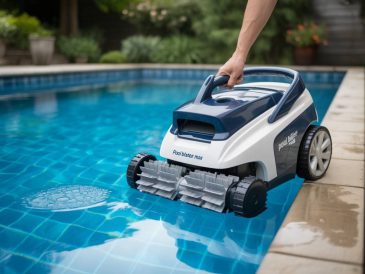
Automatic pool vacuums, timers, and smart sensors have brought ease into pool ownership—but they can also lull you into disengagement. No robot, no matter how clever, knows your pool like you do. It doesn’t catch the subtle change in water scent or the slight haze creeping across the deep end.
How to avoid it: Use automation as a support tool, not a crutch. Stay hands-on with your routine, and always double-check what devices report. Trust the old adage—if your gut tells you something’s off, it probably is.
Trusting Rain to Replenish Your Water
Rain feels like a gift from the sky. But it’s a gift with strings attached. Rainwater is often low in pH and can contain debris or pollutants depending on your location. Relying on it to top off your pool without testing leads to water chemistry chaos.
More than once, I’ve stepped out after a summer storm to admire the fullness of my pool—only to catch a faint green tint spreading by the next afternoon.
How to avoid it: After every heavy rain, test and rebalance your pool. If possible, dilute rainwater by partially draining and refilling with clean, treated water. Consider a rain diverter or smart overflow system to help regulate natural input.
In the end, pool maintenance isn’t a chore—it’s a rhythm, a dance with the elements, much like tending a garden. You learn to read the ripples, hear what the water wants to say, and respond with the same care you’d give to your roses, your pergola, or your patch of wild thyme. Avoid these common mistakes, and your pool will not only reward you with shimmering clarity—it’ll become the sanctuary it was always meant to be.