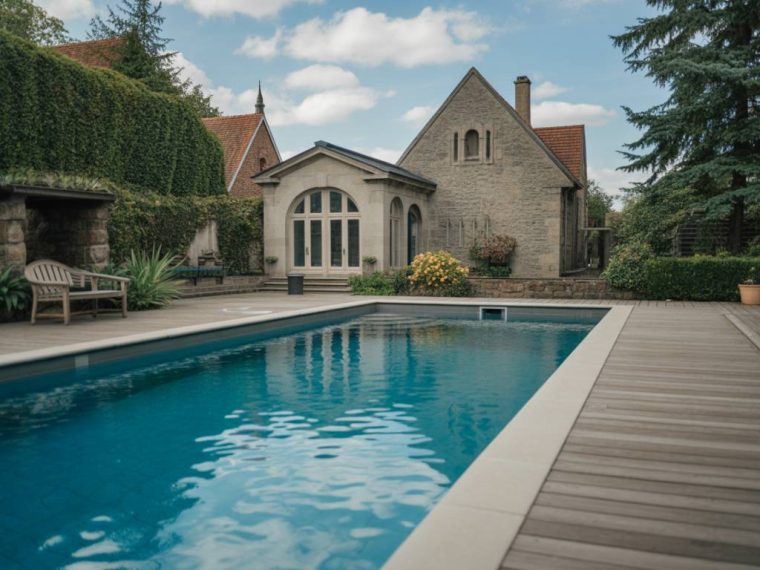
There’s something quietly magical about a pool nestled in an English garden. The way the light dances over the water in spring, the laughter echoing across summer hedgerows, the stillness of a winter surface cloaked in early frost—each season casts its own mood upon your personal oasis. But as any dedicated steward of outdoor living knows, beauty is nothing without a bit of elbow grease.
Over the years, in my own journey from overzealous chlorinator to eco-conscious caretaker, I’ve come to embrace a rhythm—much like the turning of the seasons themselves—that keeps the pool not only beautiful but truly alive. Below, you’ll find the ultimate seasonal pool maintenance checklist. Not a dry manual, but a practical companion through the four acts of the gardening year, with tips, stories, and a few gentle warnings earned the hard way.
Spring: Awakening the Waters
There’s a special thrill in pulling back the winter cover, even if you’re greeted by a sludgy green murk instead of crystalline blue. Spring maintenance is about gentle revival—coaxing your pool back to life with care and anticipation.
- Unveil Slowly: Remove your pool cover carefully; a rushed tug could send winter debris back into the pool. I like to give mine a good rinse and allow it to dry in the sunlight before storing it away.
- Clean Debris: Skim leaves, twigs, and early pollen blooms. A handheld leaf rake is your best ally—avoid automatic cleaners at this stage as large debris can clog them.
- Inspect and Reconnect: Reattach pool pumps, filters, heaters, and other equipment. Check for winter damage—cracks in pipes or seals, worn-out rubber fittings. I once skipped this, only to find myself ankle-deep in water from a cracked valve. Lesson learned.
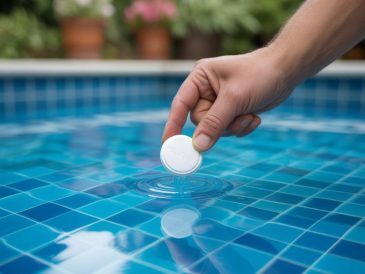
- Balance Chemistry: Test water for pH, alkalinity, and sanitizer levels. Aim for a pH between 7.2–7.6 and chlorine levels around 1–3 ppm. A quality test kit is worth its weight in gold.
- Shock and Filter: Use a chlorine shock treatment to clear lingering bacteria. Run the filter system continuously for 24–48 hours to circulate everything thoroughly.
- Brush and Vacuum: Algae cling stubbornly to corners and steps—brush thoroughly, especially if your pool is plaster or concrete-lined. A manual vacuum lets you target trouble spots more precisely.
With each of these tasks, you’re not just cleaning; you’re stirring the sleepy waters of spring into something joyful, something ready.
Summer: The Height of Glory
Ah, summer—the champagne moment of the garden pool. Dragonflies skim the surface, children cannonball between hibiscus blooms, and the water wears the sky like a mirror. But the season’s abundance demands equal parts vigilance.
- Routine Skimming: Insects, leaves, grass clippings—you’ll be amazed where things land. A light daily skim keeps things serene.
- Monitor Water Levels: Evaporation hits hardest now. Your waterline should sit at about halfway up the skimmer opening. Install an auto-fill valve if you find yourself frequently topping up.
- Backwash Wisely: Check your filter pressure gauge weekly. When it’s 8-10 psi above normal, it’s time to backwash.
- Test Water Twice a Week: Warmer temperatures mean bacteria and algae multiply faster. pH, chlorine, stabiliser (cyanuric acid), and calcium hardness are your quartet for clarity and safety.
- Enforce Bathing Etiquette: A quick pre-swim rinse under the outdoor shower (or the garden hose, in a pinch) goes a long way. Fewer oils, sunscreens, and sweat mean happier filters and less maintenance.
- Nighttime Circulation: Consider running pumps during off-peak hours. Cooler water and reduced sunlight mean better chemical retention and lower energy bills too.
Summer pool care is like tending a vibrant garden: a bit every day keeps the wildness in check, allowing its natural beauty to thrive unhindered.
Autumn: The Art of Letting Go
There is a melancholy loveliness in autumn pool care. As the maples redden and days shrink, you begin the slow, deliberate ritual of winding down. It’s not a goodbye—it’s a careful pause.
- Leaf Patrol: Invest in a good leaf net, especially if trees loom overhead. It’s easier to catch them topside than to fish out soggy clumps from the bottom.
- Adjust Water Chemistry: Lower pH slightly (around 7.2) to stave off algae. Add a winterising algaecide before temperatures drop too low for it to be effective.
- Lower Water Level (if in freezing climates): Drain the water just below the skimmer mouth but not more, lest your liner shrinks or your tiles crack from pressure imbalances.
- Drain and Store Equipment: Remove ladders, diving boards, skimmer baskets. Blow out and plug return lines with winterising plugs. Store delicate equipment somewhere dry and respectable—these things have earned their rest.
- Final Clean and Cover: Vacuum thoroughly and shock one last time. Install your winter cover, weighed neatly down. A looped mesh safety cover offers breathability without letting in debris—pricey, yes, but a worthwhile heirloom over time.
Autumn pool maintenance is like tidying up after a grand party—meticulous, necessary, and oddly satisfying, especially with a mug of something warm in hand and woodsmoke in the distant air.
Winter: The Quiet Watch
Don’t be fooled by the stillness—winter can be a covert agent of chaos if you’re not vigilant. Even a covered pool needs a bit of attention to weather the months gracefully.
- Check the Cover Regularly: Remove accumulated snow or rainwater. A waterlogged or sagging cover can slip into the pool, releasing all its cargo with it.
- Inspect for Ice Damage: If the mercury dips below zero, keep an eye on pool edges and fittings. Using pool pillows or floatation devices beneath the cover helps offset pressure from expanding ice.
- Keep Pumps and Heaters Off (but Nearby): I like to store my equipment somewhere I visit regularly—a shed, perhaps. That way, I don’t forget to listen for cracks or corrosion forming in their off-season slumber.
- Occasional Chemistry Checks: If the winter is mild or your pool is uncovered for any reason, test water every month or so. Algae can be sneakier than you think.
- Use an Algaecide Mid-Winter: A non-copper-based option helps avoid staining. It’s a simple touch-up that pays dividends come spring.
And then… you wait. Winter asks for patience, not absence. It’s a time to dream up next year’s plantings, to sketch new lighting above the patio, to rest—but not surrender.
A Living Cycle
Each pool season is a chapter—a cycle that connects our care with the changing world around us. Yes, some days are mundane: testing strips, scooping insects, muttering about pH with chlorinated fingers. But through habit and heart, it becomes a ritual. And in that ritual is something deeply satisfying—because caring for water is not so different than tending to a life.
So whether your pool is a sleek modern sculpture or a rustic corner pond framed by wild ferns, treat it as part of your garden’s living, breathing whole. The seasons will shape it. And if you learn to shape your care in return, you’ll find that the pool gives back far more than it asks.
Here’s to cool waters, warm sunlight, and the quiet pride of a job well done—season after season.