
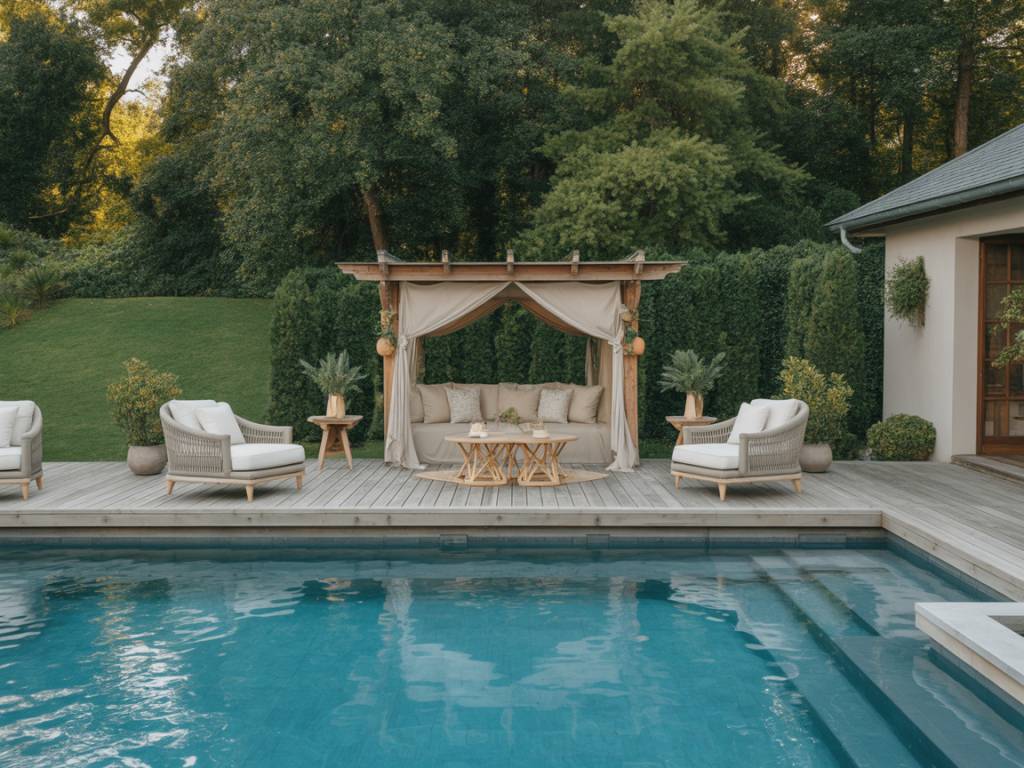
Designing a year-round poolside wellness retreat is no longer limited to resort properties or large estates. With the right planning, a private outdoor space can become a refined environment for rest, movement, recovery, and social connection in every season. The most successful luxury poolside retreats are not defined by a single feature, but by the way water, architecture, landscaping, lighting, comfort, and wellness amenities work together as a cohesive experience.
A year-round setting also requires more than visual appeal. It must respond to changing weather, different daily routines, and a variety of uses, from quiet morning meditation to evening entertaining. When thoughtfully designed, the pool area becomes a destination in itself, offering a sense of escape without leaving home.
Start with a wellness-focused master plan
The foundation of a luxury poolside retreat begins with a clear master plan. Instead of treating the pool as an isolated feature, consider the entire outdoor environment as a wellness landscape. This includes circulation paths, seating zones, shade structures, privacy screening, temperature control, storage, and access to changing areas or indoor support spaces.
A wellness-driven design should encourage both activity and stillness. Some homeowners want a place for aquatic exercise and recovery, while others prioritize reading, socializing, or restorative time near the water. The best layouts create distinct zones without making the space feel fragmented. A good approach is to organize the area into functional layers: an active pool zone, a relaxed lounge zone, a sheltered wellness zone, and a transition zone connecting the outdoors to the home.
It is also important to think about daily use patterns. Morning light, afternoon sun, wind direction, and privacy from neighbors all influence how enjoyable the space will be throughout the year. Careful planning at the beginning prevents the common problem of creating a beautiful pool area that is comfortable only for part of the day or part of the season.
Choose water features that support calm and sensory comfort
Water plays a central role in any poolside retreat, but the design of the pool itself can greatly affect the wellness experience. A simple rectangular pool can feel elegant and timeless, while more sculptural designs may create a stronger sense of immersion. The choice depends on the architectural style of the property and the intended use of the space.
For a wellness retreat, gentle movement in the water can be more soothing than dramatic effects. Sheer descents, subtle spillways, and quiet fountains add sensory richness without overwhelming the environment. The sound of moving water helps soften ambient noise and creates a more tranquil mood. If the property is in a busy area, water features can also support a greater feeling of privacy and retreat.
Temperature control is another key element in year-round comfort. Heated pools extend the usable season in cooler climates, while cooling systems or shaded shallow areas may be valuable in very warm regions. For some settings, a spa connected to the pool provides a practical way to encourage recovery, relaxation, and multi-season use. A hot-cold contrast between a heated spa and a refreshing pool can also support wellness routines focused on circulation and muscle recovery.
Create spaces for rest, movement, and recovery
A luxury outdoor wellness retreat should support multiple modes of use. Rest is important, but so is movement, and the design should reflect both. A well-balanced space might include a lap lane or swim corridor, a shallow lounging shelf, open floor area for stretching, and a protected nook for meditation or reading.
Recovery zones are especially valuable in a year-round setting. These can include spa seating, outdoor massage areas, infrared sauna structures, or cold plunge features, depending on the available space and the owner’s wellness goals. Even simpler elements, such as a cushioned daybed in a covered area or a pair of heated lounge chairs, can create a meaningful sense of restoration.
When planning these spaces, think about transitions between activities. A person might swim, then relax in a shaded chair, then move to a warm spa, then return to an indoor area. The environment should make each transition feel natural. Non-slip surfaces, towel storage, nearby showers, and easy access to refreshments all support a smooth wellness experience.
Use materials that feel luxurious and perform well in every season
Material selection has a major effect on both appearance and practicality. Since the retreat is intended for year-round use, the surfaces should be durable, weather-resistant, and comfortable underfoot. Natural stone, high-quality porcelain pavers, engineered wood alternatives, and premium outdoor fabrics are all common choices in luxury settings.
Textural variety can elevate the design without making it feel busy. Smooth stone around the pool edge, soft woven upholstery in the lounge area, and warm timber tones in a pergola or wall detail can create an atmosphere that feels layered and inviting. The key is to select materials that age gracefully and remain visually cohesive across different zones.
Color palette matters as well. Neutral tones tend to create a calm backdrop that allows water, planting, and daylight to stand out. Cooler grays, warm taupes, sand tones, and muted earth colors often work well in luxury outdoor living. Reflective finishes should be used carefully, as too much glare can reduce comfort and undermine the sense of relaxation.
Design for seasonal comfort with shade, shelter, and warmth
To function throughout the year, a poolside retreat needs both sun protection and weather protection. In hot months, shade is essential. In cooler months, shelter from wind and a source of warmth can make the difference between occasional use and daily enjoyment. The most effective designs combine fixed and flexible elements.
Pergolas, cabanas, retractable awnings, planted screens, and architectural overhangs all help shape the microclimate around the pool. In climates with stronger seasonal shifts, enclosed or semi-enclosed structures can extend usability further. Outdoor fireplaces, fire tables, radiant heaters, and insulated seating areas create a comfortable atmosphere when temperatures drop.
Consider how light changes across the year. A poolside area that feels bright and open in winter may need more cooling shade in summer. Adjustable elements provide the flexibility to respond to these changes without compromising the aesthetic quality of the retreat.
Layer landscaping to strengthen privacy and atmosphere
Landscaping is one of the most effective tools for turning a pool area into a true retreat. Instead of relying on hard boundaries alone, use plantings to create a sense of enclosure, softness, and depth. Tall hedges, ornamental grasses, sculptural trees, and layered shrubs can frame views while preserving privacy.
In luxury settings, the planting scheme should feel intentional and restrained rather than overly dense. Repetition of a few well-chosen species often produces a more elegant effect than a crowded mix of plants. Evergreen structure is especially useful for year-round wellness, since it maintains visual continuity even in colder months.
Fragrance can also contribute to the experience. Aromatic plants placed near seating areas or pathways can subtly influence the mood of the space. Where climate allows, combining evergreen structure with seasonal flowering plants brings variety without sacrificing calm.
Integrate lighting for evening wellness and ambiance
Lighting is a critical part of any year-round poolside retreat, especially when the space is used after sunset. A layered lighting plan should support safety, function, and atmosphere at the same time. Overly bright lighting can flatten the environment, while underlighting can make the space feel impractical or unsafe.
Start with path and step lighting to guide movement. Add soft architectural lighting to highlight walls, pergolas, or textured surfaces. Underwater pool lighting can create a refined visual effect in the evening, while subtle uplighting in planting beds can add depth. Warm color temperatures usually feel more restful than cooler, clinical light.
For a wellness retreat, it is helpful to include dimmable controls and multiple lighting scenes. Bright settings may be useful for cleaning or exercise, while low, warm settings can support relaxation, conversation, or night swimming. Smart controls can make these transitions effortless.
Select furniture and accessories that encourage use
Outdoor furniture in a luxury wellness setting should be both beautiful and genuinely comfortable. Deep seating, ergonomic loungers, quick-dry cushions, and movable side tables all improve the usability of the space. The goal is to make the retreat feel like an extension of the home rather than a decorative outdoor display.
Consider how the furniture supports different activities. A reclining lounger works well for sunbathing or post-swim rest, while an upright chair may be better for reading or conversation. A daybed can create a destination within the space, especially if it is positioned near a view or under a sheltered roofline.
Accessories should be chosen carefully. Storage for towels, blankets, and wellness items keeps the area tidy. Outdoor speakers can provide soft sound for yoga or relaxation, though they should be used discreetly. If the retreat is intended to support mindfulness, minimal clutter and high-quality details often have more impact than a large number of decorative objects.
Support wellness with practical infrastructure
Behind every elegant poolside retreat is a layer of infrastructure that makes daily use easy. Outdoor showers, nearby changing spaces, concealed storage, and integrated drainage systems all contribute to a more polished and functional environment. These elements may not be the most visible, but they are essential to creating a space that feels effortless.
Water quality systems are also worth considering in a wellness-oriented design. Advanced filtration, saltwater systems, and automated maintenance tools can improve the bathing experience and reduce the burden of upkeep. A retreat is most successful when it remains clean, inviting, and ready to use with minimal friction.
If the goal is year-round enjoyment, remote monitoring and automation can be especially valuable. Heating, lighting, water treatment, and irrigation can often be managed through smart controls, allowing the space to respond efficiently to weather and usage patterns.
Balance aesthetics with long-term livability
The most memorable luxury outdoor spaces are those that look beautiful and remain practical over time. A year-round poolside wellness retreat should be designed for comfort, maintenance, and flexibility as much as for visual appeal. This means selecting enduring materials, building in weather adaptability, and planning for how the space will evolve with the seasons.
It also means resisting the temptation to overfill the area. Luxury often comes from restraint, from giving each element room to breathe. When water, planting, seating, shelter, and lighting are composed with discipline, the result is a setting that feels serene rather than crowded. That sense of calm is what turns a pool area into a genuine retreat.
For homeowners seeking both lifestyle value and long-term enjoyment, a well-designed poolside wellness space can become one of the most used parts of the property. It supports health, relaxation, and hospitality in equal measure, while adding a sophisticated focal point to outdoor living.
A thoughtfully planned retreat does not need to be extravagant in every detail to feel luxurious. What matters most is coherence: the way each choice contributes to comfort, beauty, and usability throughout the year. With careful design, the poolside can become a place where daily life slows down, transitions become smoother, and outdoor living feels elevated in every season.