
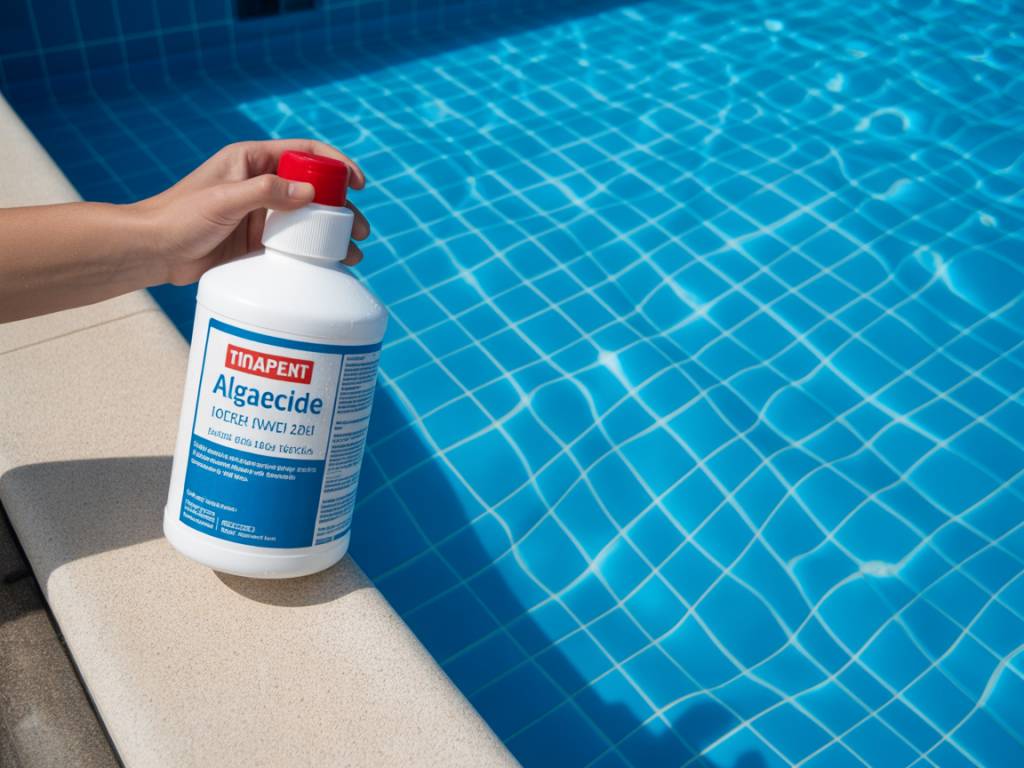
Understanding Algae: The Unseen Pool Invader
There’s something poetic about a still, blue pool on a summer morning—the way the sunlight glints across the surface, the soft lap of water against the tiles. But just beneath that shimmering serenity can lurk a stubborn, green menace: algae. It creeps in quietly, clinging to steps, clouding the once-crystal depths, and turning your backyard haven into a battleground.
Before we gear up with the algaecides and brushes, it helps to understand what we’re up against. Algae are simple aquatic organisms that thrive wherever moisture, warmth, and sunlight meet. In swimming pools, they often take root when circulation is poor or sanitation has slipped, even for just a day or two. Left unchecked, they multiply rapidly, turning luxury into labor in the blink of an eye.
Types of Algae and What They Tell You
Not all algae are created equal. When you notice discoloration in your pool, take a closer look—it might give you clues about what’s going wrong and how to fix it. Here’s a quick dive into the usual suspects:
- Green Algae: The most common, and thankfully, the easiest to treat. It floats in the water or clings to the walls, turning your pool into a verdant swamp if left unchecked.
- Mustard Algae: Yellowish and clingy, especially in shaded areas. It’s more resistant and tends to reappear if not fully eradicated.
- Black Algae: The rogue of the family. It roots deeply into plaster and concrete, with tough protective layers that make it fiendishly difficult to kill.
When I first encountered black algae myself—not in someone else’s pool, but in mine—I felt betrayed. I thought my maintenance was tight, my chlorine levels solid. But black algae doesn’t need an invitation; just a moment of lapse, a shadowy corner too well sheltered, and it starts to plot. I fought it back with stiff bristle brushes, targeted treatments, and more patience than pride.
What Is Algaecide and How Does It Work?
Let’s demystify a word that can sound a bit heavy-handed—algaecide. At its core, an algaecide is a chemical that disrupts the growth of algae and helps to kill existing blooms. It’s not a replacement for sanitation (like chlorine or salt), but rather a strong ally when conditions tip out of balance.
Algaecides typically fall into categories based on their active ingredients, each with its distinct purpose and profile:
- Quaternary Ammonium Compounds (Quats): Economical and effective against green algae. They foam if overused, which some pool owners find unsightly.
- Polyquats (Polymeric Quaternary Ammonium Compounds): Slightly more expensive but non-foaming, and safe for nearly any pool surface. These are ideal for regular maintenance.
- Metal-Based Algaecides: Especially useful for resilient strains like black algae; often copper-based. However, improper use can cause unwanted staining on pool finishes.
Each type behaves differently in water and interacts with other chemicals in its own way. It’s like choosing a character for a quest—some are best for stealth, others for brute force.
Choosing the Right Algaecide for Your Pool
So how do you pick the right algaecide without turning your garden shed into a chemistry lab?
Start by asking yourself a few key questions:
- What type of algae are you dealing with? Green? Yellow? Black? Identifying the enemy is half the battle.
- Is this a reactive or preventive treatment? Are you looking to tackle an existing bloom, or are you building a defense?
- What type of pool surface do you have? Some algaecides can stain or react differently with plaster, vinyl, or fibreglass.
If your pool is generally well-balanced, with a consistent chlorine level and good circulation, a polyquat algaecide is a gentle and reliable choice for ongoing protection. It won’t foam, won’t stain, and keeps your water clear during those long sun-drenched weeks when algae most love to thrive.
With a green algae outbreak, a quick blitz with a quat algaecide followed by brushing and vacuuming can clear things up in 24 to 48 hours. Just remember: don’t go doubling doses thinking more is better. Every chemical in your pool interacts like guests at a dinner party—too many in one room, and someone’s bound to cause a scene.
For persistent black algae or neglected water features with deep alcoves, a copper-based algaecide may be necessary. But do read the label, and just as importantly, test your pool after treatment. Copper is effective, but too much will leave a green tinge on blond hair or a blue stain on your tiles—less romantic than it sounds.
Practical Tips for Prevention
As with most things in outdoor living, a bit of consistency saves a world of trouble. The best way to avoid algae altogether is to make your pool an inhospitable environment from the start. Here’s how:
- Maintain balance: Keep your chlorine between 1 and 3 ppm, pH around 7.4, and carbonate alkalinity between 80–120 ppm. It’s the triangle of calm, where water stays clear and stable.
- Brush weekly: Algae love to cling to walls where water gets lazy. Stir them up with regular brushing—it’s remarkably therapeutic, I must say.
- Check circulation: Ensure your pump and filter are running long enough, especially during warm spells. Stagnant water is the algae’s playpen.
- Shock smart: Shocking your pool weekly during peak usage or after rainstorms can help oxidize organic contaminants before algae have a chance to bloom.
- Use a maintenance algaecide: A non-foaming, polyquat product every 7–14 days keeps algae from gaining a foothold, even when swimmers forget to rinse off those grassy feet.
A Seasonal Approach to Algaecide Use
I like to think of pool care a bit like gardening—it follows the rhythm of the seasons.
Spring: Your pool awakens from hibernation. Now’s the time for a good clean, balanced chemicals, and a preventive dose of polyquat algaecide. This sets the tone for the months ahead.
Summer: Peak algae season. Chlorine works overtime with all that splashing, sunscreen, and sunshine. Use maintenance doses of algaecide every one to two weeks, and shock after heavy use or thunderstorms.
Autumn: As the days shorten, algae sometimes finds new energy in the mildness. Brush and treat as needed, especially if you’re planning to keep your pool open into late October.
Winter: If you’re in a region where the pool closes down, treat with a long-lasting algaecide before covering. It’ll prevent spring surprises when you open up again.
When to Call in a Professional
Most algae issues don’t require a pool service call. But if you’ve treated several times with no improvement, or if the water chemistry seems wildly variable, it’s worth getting a second pair of eyes. Sometimes the problem lies in hidden circulation issues, undersized filters, or debris hidden under steps and stairs.
I remember standing there one August afternoon, having battled persistent mustard algae for weeks. I’d thrown the book—and several bottles of the blue stuff—at it. Turns out, there was a tear in my return line seal. Stagnant pockets were forming behind my eyes, so to speak! A quick repair and days later, my water sparkled again, and peace was restored.
Final Thoughts for a Crystal Clear Summer
In the theater of pool ownership, algae is not the villain—it’s the weathered supporting actor that tells you something’s out of sync. With the right strategy, a bit of early detection, and the appropriate algaecide, you can keep your pool an oasis of clarity and calm all summer long.
Walk barefoot, dive deep, and marvel at the reflections. Maintenance, after all, is just another form of love made visible.