
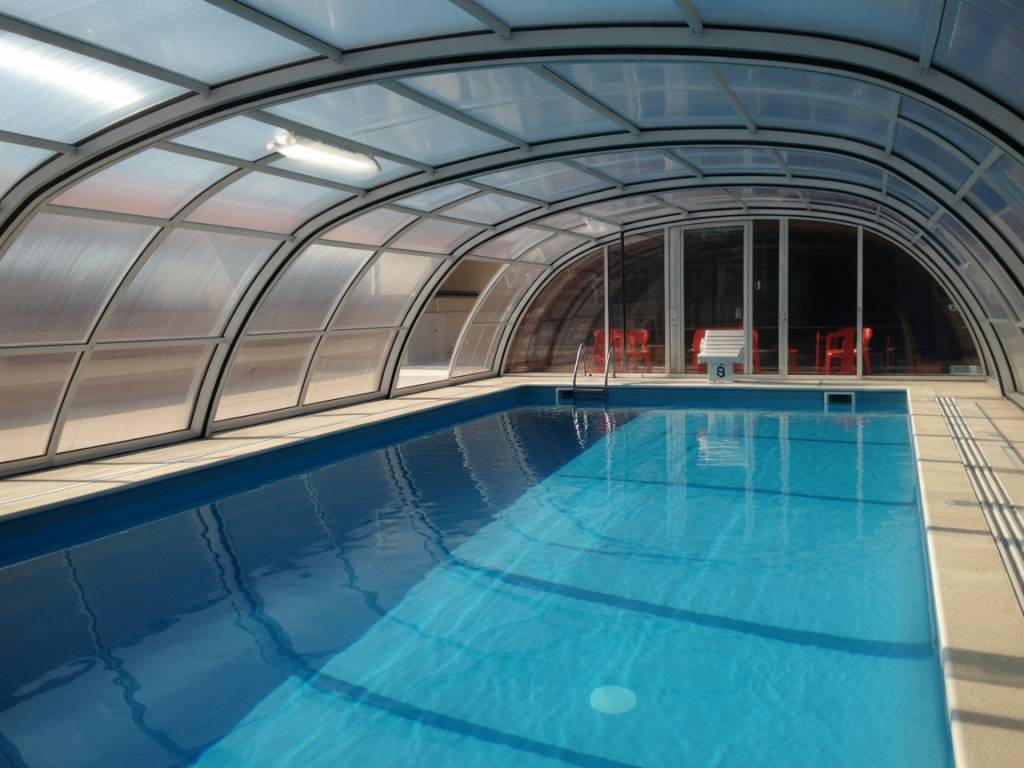
The Quiet Workhorse Beneath the Surface
When most people step into the sanctuary of an indoor swimming pool, eyes fix upon the water’s shimmer, the gentle echo of their feet on the tile, that hush of tranquillity held delicately under a roof. But hidden in plain sight, one humble element often goes unnoticed, quietly performing its miracles each day: the pool cover.
Though it may lack the glamour of mosaic tiling or the sensuality of steam curling in shafts of morning light, an indoor pool cover is arguably the unsung hero of efficiency and sustainability. Especially during those colder months when heat seems to flee like migrating birds, this simple barrier between water and air can do more than you’d think—preserving energy, reducing water loss, and even extending the life of your pool’s internal ecosystem.
Why Does an Indoor Pool Even Need a Cover?
It’s a fair question. Unlike their outdoor siblings, indoor pools are sheltered from the whims of British weather. No leaves to scoop, no frost to battle. But while storms and garden debris aren’t invited guests, other challenges persist indoors—chief among them, evaporation and heat loss.
Water evaporates constantly. Whether your pool is nestled within a glazed orangery in Kent or tucked beneath a timber-framed extension in Northumberland, the same physics are at play: warm water meets cooler air, and vapour escapes upward. What follows is a cascade of consequences: dehumidifier systems work harder, heating bills climb, and precious water vanishes quietly into the ether.
This is where our silent partner, the pool cover, steps in.
Energy Efficiency: Cutting Heat Loss Where It Counts
According to the U.S. Department of Energy, pool covers can reduce heating needs by up to 70%. Though figures vary by installation, materials, and coverage practices, the point remains: that simple surface barrier turns the tide on energy waste.
I remember one winter—years ago—when I was managing a modest indoor pool annex added to a rural property near the Cotswolds. We hadn’t yet installed a proper thermal pool cover, relying instead on regular top-ups from the boiler. Within two weeks of introducing a fitted bubble cover—unassuming and bubbly as a flapjack—we saw a noticeable dip in energy usage. The client (a rather proper gentleman who kept bees and wore wool even in July) was astounded. « It’s as though the pool’s learned to keep itself warm, » he mused.
And he wasn’t wrong. By lessening the rate at which heat escapes from the pool surface into the surrounding air, a well-fitted cover helps maintain temperature consistency. This means your heating system runs less frequently and for shorter durations—resulting in lower energy bills and a climate-friendly footprint.
Water Retention: Holding onto What Matters
Evaporation isn’t just a thief of heat—it’s also a slow exodus of water. An indoor pool, left uncovered, can lose hundreds of litres per week to evaporation, especially in dryer environments. Looks can be deceiving: the surface may seem still, but the air above is quietly drinking from your basin.
Pool covers help mitigate this loss by maintaining a physical barrier between water and air. They « cap » your supply, as it were, keeping your H₂O where it belongs. In doing so, they also ease the burden on your dehumidification systems, since less vapour means less ambient moisture to process.
It’s a beautiful cascade effect: lower water bills, fewer chemical additions needed to replace evaporated water, and decreased wear on HVAC systems. Your pool, quite literally, breathes easier.
Material Matters: Choosing the Right Cover
A pool cover is only as effective as its material and fit. When selecting one for an indoor setting, consider the following types and their specific advantages:
- Thermal Blankets – Multi-layered and insulated, these are specifically designed for maximum heat retention. Ideal for large luxury pools or spaces with fluctuating temperatures.
- Bubble Covers (Solar Covers) – Lightweight and cost-effective, these resemble a giant roll of bubble wrap. While more commonly used outdoors, high-quality versions can still be effective indoors.
- Slatted Covers – Motorised and typically made of PVC or polycarbonate, slatted covers offer excellent insulation and aesthetics for high-end indoor pools.
- Liquid Covers – Less common but innovative, these create a microscopically thin layer of biodegradable liquid on the water surface, invisible yet surprisingly effective.
Whatever your choice, ensure the cover fits snugly and is easy to operate. After all, no one wants to wrestle with a tangled tarpaulin every day. The easier the process, the more consistent your usage—and consistency is where the real gains lie.
Humidity, Mould, and Maintenance: The Hidden Perks
Beyond saving energy and preserving water, pool covers offer a ripple effect that extends to the architecture and air quality of your indoor space. Excess humidity can slowly degrade woodwork, encourage mould growth in corners, and leave windows perpetually misted.
A cover reduces atmospheric moisture, easing the job of your ventilation system while guarding against these slow, silent degradations. For anyone who’s ever renovated an old conservatory or tried to keep travertine dry in winter, these benefits speak volumes. Clean, crisp air and stonework left unsullied—this is the quiet legacy of a well-used cover.
Safety and Serenity: An Added Benefit
Though less of a concern in adult households, safety remains a consideration—especially in homes where children, pets, or guests might unexpectedly find themselves poolside. A cover provides a moment’s buffer. One layer of protection. In some cases, rigid covers can even support weight (though no one should tempt that fate without manufacturer assurances).
Moreover, there’s a certain psychological comfort in closing one’s pool at the end of the day, like pulling a blanket across the garden in winter. It signals rest. It brings calm. And in that simple gesture—stretching the cover from end to end—you safeguard not only your pool, but your peace of mind.
The Ritual of Care: Making It Work For You
Incorporating a pool cover into your routine isn’t about creating new chores—it’s about realising rhythms. Whether you begin each morning by unveiling your tiled oasis, or draw it closed with the afternoon’s last warmth, these actions become part of a wider ritual of stewardship.
Here are a few tips to keep things flowing smoothly:
- Invest in a reel system – Manual or automatic, reels make deployment easy and prevent unnecessary wear.
- Clean your cover regularly – Avoid the build-up of grime that can reduce efficiency or damage pool chemistry.
- Check edges and seals – Gaps allow energy to escape; a quick inspection can preserve insulation.
- Pair with a smart thermostat – Modern pool management systems can optimise temperature settings based on usage patterns, saving even more energy.
And when in doubt, remember: a well-maintained cover not only saves money but extends the grace and longevity of the swimming experience itself. Like the pruning of roses or the topping of lavender, it’s one of those small efforts that delivers big rewards over time.
Bringing It All Together
If I’ve learnt anything during my years wandering through greenhouse arcades and beneath gabled swim halls, it’s this: comfort and sustainability are not enemies; they’re dance partners. And in the case of your indoor pool, a humble cover may be the maestro keeping time.
Whether you’re designing a contemporary lap pool in your converted barn, or you’ve inherited a Roman-style retreat under skylight, take the time to consider how—each night—your pool can rest under its own form of shelter. Tucked in, protected, and primed for another day of reflection and renewal.