What Are Swimming Pool Tablets?
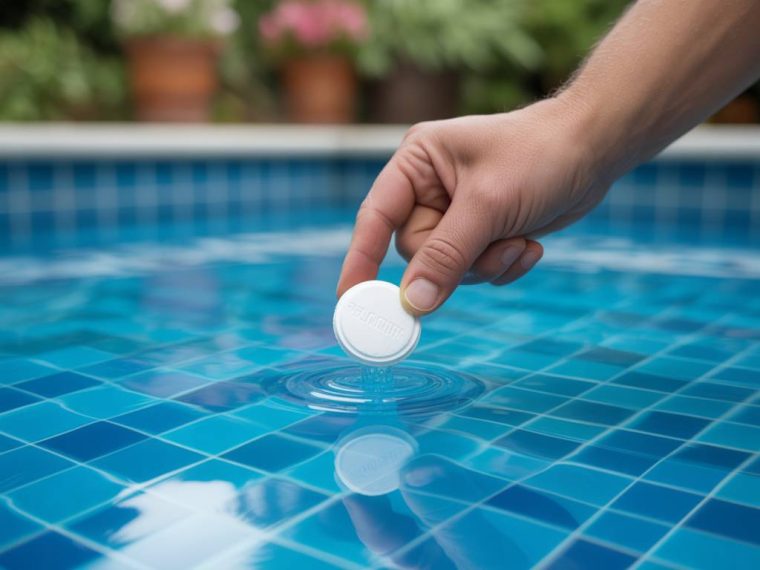
Pool tablets—also known as chlorine tablets—may seem like nothing more than little pucks of chemical precision, yet they’re one of the most vital tools for any pool owner striving to keep their water clean, clear, and inviting. These slow-dissolving tablets are designed to disinfect your pool water, combating bacteria, algae, and other unpleasant surprises that like to lurk beneath the surface.
Usually made from either trichlor (Trichloroisocyanuric acid) or dichlor (Sodium Dichloroisocyanurate), they’re concentrated sanitizers, formulated to simplify your pool maintenance routine. A single tablet may look modest, but don’t be fooled—they pack a powerful punch, quietly working away to maintain balanced chemistry as you float under a blue sky, perhaps with a book, a berry drink, or a squealing toddler nearby.
How Do Chlorine Tablets Work?
The magic happens slowly—which is good news. As a tablet dissolves, it releases chlorine into the water, killing microscopic threats and oxidising organic contaminants. Because they dissolve over time (usually 3–7 days depending on conditions), they offer a low-effort, consistent way of sanitising your pool.
The tablet’s shell and formulation play a role here. Trichlor tablets, for instance, are highly concentrated and acidic, making them ideal for outdoor pools exposed to the sun, thanks to their built-in stabiliser (cyanuric acid). They protect chlorine from UV degradation, extending its effectiveness. But as ever in the garden—or the pool—balance is everything.
The Right Way to Use Pool Tablets
Here’s where experience, like the kind gathered through years of trial and splash, proves its worth. Pool tablets aren’t simply tossed into the water like wishing coins. To use them correctly, you’ll want to place them in a floating dispenser, a skimmer basket, or a chlorinator. Each method has its merits, depending on your pool’s setup and your preferences.
- Floating Dispensers: These bob gently across the water, slowly distributing chlorine. They’re easy to use, but wind can carry them into corners or out of circulation patterns, sometimes leading to uneven sanitation.
- Skimmer Baskets: This is a common (and highly effective) method. As water is pulled through the basket, it passes over the tablet, distributing chlorine efficiently. However, if your pump turns off—you lose flow. And a stationary puck in stagnant water can lead to acidic, concentrated zones, potentially damaging your skimmer.
- In-line or Off-line Chlorinators: For those with larger or more frequently used pools, this is the gold standard. Tablets are stored inside a tube connected directly to your pool’s plumbing, and dosage can be adjusted precisely. It’s the gardener’s equivalent of irrigation drip-lines—reliable, controlled, and superbly efficient.
Personally, I prefer skimmer baskets for my modest countryside retreat—but only because I keep a careful eye on my circulation schedule. Regardless of the method, always handle tablets with dry hands and use gloves when possible—they are, after all, a strong chemical compound.
How Many Tablets Do You Need?
The general rule is one 3-inch (200g) tablet per 20,000 litres (20 m³) of water, per week. But this is, of course, highly dependent on a handful of things: pool usage, sun exposure, rainfall, and even the mischievousness of nearby wildlife (I once found birds had turned my floating dispenser into a makeshift nest…)
The best approach is to regularly test your water—not just for chlorine, but for pH, alkalinity, and stabiliser levels. A balanced pool isn’t just safer; it’s a joy to swim in. Ideal free chlorine should hover between 1 and 3 ppm (parts per million).
Common Mistakes to Avoid
Even the most diligent pool owners can stumble into common traps—particularly with tablets. Here are a few to watch for:
- Leaving tablets directly in the pool: Never drop chlorine tablets straight onto your pool floor. They’ll bleach your liner or stain your tiles. Think of them like compost tea—they need proper dilution.
- Over-chlorinating: More doesn’t mean better. Too many tablets lead to high chlorine levels, which can damage pool equipment, irritate eyes and skin, and make your pool smell like a dubious science lab rather than a serene hideaway.
- Neglecting stabiliser levels: Chlorine may be king, but stabiliser is its indispensable advisor. Without it, UV rays will degrade free chlorine quickly. On the other hand, too much stabiliser (above 50 ppm) can lead to “chlorine lock,” rendering the chlorine ineffective. Talk about a frustrating irony.
Are Pool Tablets Safe?
Used properly, yes. Chlorine tablets are an established sanitation method around the globe. But like any chemical, they demand respect. Store them in a cool, dry, well-ventilated area away from other chemicals—especially acids and flammable materials. Never mix types of chlorine tablets—for instance, don’t mix trichlor and calcium hypochlorite. The result can be dangerously reactive.
And don’t underestimate the vapours either. A friend once opened a canister of tablets after winter’s long slumber in a damp shed. He didn’t wear gloves or a mask. Five minutes later: stinging eyes, irritated lungs, and an impressive dance through the wildflowers in pursuit of fresh air. Always follow manufacturer instructions—your lungs will thank you.
When to Use Tablets vs. Other Chlorine Types
Tablets offer convenience, consistency, and simplicity—but they’re not your only option. Here’s a quick breakdown of when they might not be the ideal choice:
- Shock treatment: Tablets release chlorine slowly. For immediate sanitisation—say, after a heavy rainfall, a pool party, or an algae bloom—you’ll need a granular “shock” chlorination to bring levels up quickly.
- Cold water: Tablets dissolve more slowly in cooler temperatures. In early spring or late autumn, faster-dissolving options may be more effective.
- Unstabilised pools: If your pool doesn’t contain cyanuric acid already, or if you’re avoiding stabilised chlorine for a particular reason (say, a zero-CYA indoor rehab pool), you may need an alternative chlorine source altogether.
Eco-Friendly Considerations
At Terra Pool, many of our readers are conscious stewards of the land—and rightly so. The interplay between pool chemistry and the broader environment matters. Be mindful of leaks or backwash that drains into your garden, especially if you use tablets with stabilisers. High-chlorine water can damage soil bacteria, garden plants, and local waterways.
There are also more sustainable chlorine tablet options now entering the market—organically derived binders, eco-conscious packaging, and formulations designed to minimise overuse. Read your labels, ask your suppliers, and don’t be afraid to experiment gently, with bucket tests or small portions.
And if you’re moving toward a natural or hybrid pool system, remember that chlorine isn’t your enemy—but it might not be your primary tool either. There’s a time and a place for all things in the garden universe.
Final Thoughts From the Edge of the Pool
There’s something wonderfully serene about a pool that maintains itself quietly, like a well-tended border or a mulched vegetable bed. Chlorine tablets aren’t glamorous, but they’re trustworthy. They’ve saved many a summer guest from a murky surprise and many a pool owner from a chemical headache.
As I sit beside the water, the late sun casting a blur of silver across the surface, I think of all the small efforts, invisible yet essential, that make this serenity possible. Like any corner of your garden, a pool thrives not merely on design and impulse, but on thoughtful repetition.
So, next time you press a tablet into its holder and slide it into the skimmer, remember: you’re part chemist, part caretaker, part artist. And your canvas just happens to ripple.