
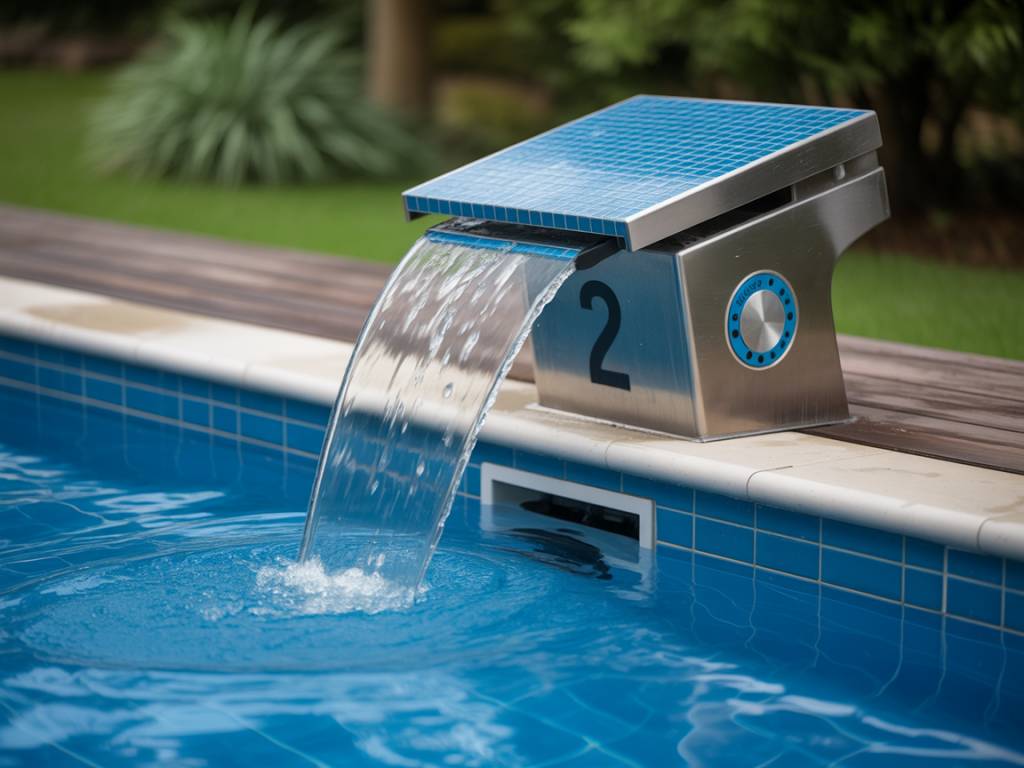
The way we think about home swimming pools is changing fast. For decades, the default recipe was simple: chlorine, sand filters, high-energy pumps, and a willingness to ignore the environmental cost. But a growing number of UK homeowners are now asking a different question — what if the pool in your garden could work with nature rather than against it? Eco-friendly pool filtration systems revolutionising home swimming is no longer a niche concept. It is quickly becoming the new benchmark for outdoor living, combining crystal-clear water, reduced running costs, and a genuinely lighter footprint on the planet.
Why Conventional Pool Filtration Systems Fall Short
Traditional pool filtration has always been effective — but at a price. A standard sand filter backwash cycle can waste between 300 and 600 litres of water in a single flush. A conventional single-speed pump running all season can consume upwards of 2,000 kWh of electricity per year. Add in regular doses of chlorine, pH correctors, algaecides, and flocculants, and the environmental toll quickly adds up.
Beyond the numbers, there are real human costs too. Chlorine reacts with organic matter in water to form chloramines — the compounds responsible for eye irritation, skin dryness, and that distinctive chemical smell. Research published in environmental health journals has linked prolonged exposure to high chloramine levels with respiratory irritation, particularly in children. It is a system that works, but one that was never designed with sustainability in mind.
Eco-Friendly Pool Filtration Systems Revolutionising Home Swimming: The Core Technologies
The shift toward greener pool care is being driven by several distinct but often complementary technologies. Understanding each one helps homeowners make informed choices about which approach best suits their garden, budget, and lifestyle.
Natural Biofilters and Living Pools
A natural swimming pool — sometimes called a bio-pool or swimming pond — replaces chemical treatment entirely with biological filtration. Water circulates through a dedicated regeneration zone planted with aquatic species such as water lilies, iris, and horsetail reeds. Beneficial bacteria colonise gravel beds beneath the plants and break down organic impurities naturally, mimicking the self-cleaning processes found in healthy freshwater ecosystems.
These pools require more surface area — typically the regeneration zone accounts for around 50% of total water area — but the payoff is remarkable: no chemical costs, water that feels genuinely soft and fresh, and a pool that actively attracts wildlife. Dragonflies, frogs, and pollinators become regular visitors, transforming the pool from a garden feature into a living habitat.
Glass and Zeolite Filter Media
For homeowners who prefer a conventional pool design, swapping traditional sand for glass or zeolite media is one of the most cost-effective eco upgrades available. Recycled glass media filters particles down to 3–5 microns (compared to 20–40 microns for standard sand), producing noticeably clearer water with fewer chemical interventions. Zeolite, a naturally occurring mineral, goes further still — it actively captures ammonium ions, one of the main precursors to chloramine formation, reducing the need for shock dosing by up to 50%.
UV and Ozone Disinfection
Ultraviolet (UV) and ozone systems tackle bacteria and viruses without leaving any chemical residue in the water. UV lamps neutralise pathogens as water passes through the filtration circuit, while ozone generators inject a powerful oxidising agent that destroys organic contaminants on contact, then breaks down harmlessly back into oxygen. Both technologies allow pool owners to reduce chlorine usage by 60–80%, maintaining safe water quality without the drawbacks of full chemical dependence.
Variable-Speed and Low-Energy Pumps
No eco-friendly filtration setup is complete without addressing energy consumption at the pump level. Variable-speed pumps adjust their output to actual demand rather than running at full power continuously. The energy saving is significant: switching from a single-speed to a variable-speed pump can reduce electricity consumption by up to 80%, translating into annual savings of £300–£600 for a typical UK residential pool.
Real-World Impact: What Eco Filtration Looks Like in Practice
A natural swimming pond installed at a rural property in the Cotswolds illustrates the potential beautifully. Built alongside an existing wildflower meadow, the pool features a 60 m² regeneration zone planted with native aquatic species. Water circulates slowly through gravel-packed biofilter channels before returning to the main swim area. After an initial settling period of four to six weeks — during which the biological colony establishes itself — the water reached and maintained excellent clarity with zero chemical input. The annual running cost sits at under £150, compared to an estimated £900 for the conventional chlorinated pool it replaced.
For urban gardens with less space, hybrid systems combining glass media filtration, UV disinfection, and a variable-speed pump are achieving similarly impressive results. One installation in South London reduced chemical use by 70% and cut the pool’s electricity bill by more than half within the first season.
Key Benefits of Making the Switch
- Lower running costs: Reduced chemical purchases, lower electricity bills, and less water waste can save £500–£1,000 per year depending on pool size and existing setup.
- Healthier swimming: Gentler water is kinder to skin, eyes, and hair — particularly beneficial for young children and anyone with sensitivities.
- Reduced environmental impact: Minimal chemical runoff protects surrounding soil, garden ecosystems, and local waterways.
- Enhanced garden aesthetics: Natural pools and bio-pools integrate seamlessly into landscaping, adding ecological and visual value to the outdoor space.
- Long-term resilience: Biological and low-chemical systems are less dependent on supply chains for chemical products — a factor that became starkly relevant during recent global shortages.
How to Transition: A Practical Approach
Moving to an eco-friendly filtration system does not have to mean rebuilding from scratch. A phased approach allows homeowners to reduce impact progressively while managing costs sensibly.
Start with an Energy Audit
Identify where your current system uses the most energy and water. A single-speed pump is often the biggest culprit. Replacing it with a variable-speed model is a high-impact, relatively low-cost first step that pays for itself quickly.
Upgrade Filter Media
Switching from sand to glass or zeolite media takes a professional no more than a few hours and immediately improves filtration quality while reducing chemical demand. This upgrade alone can cut annual chlorine costs by 30–50%.
Add UV or Ozone Treatment
Retrofitting a UV lamp or ozone generator into an existing filtration circuit is straightforward for most pool systems. Pair this with the media upgrade and chemical usage drops dramatically, with water quality often improving noticeably within weeks.
Consider a Full Natural Build
If space and budget allow, a fully natural swimming pool or hybrid bio-pool represents the most complete expression of eco-friendly filtration. Spring is the ideal season to begin construction, giving biological systems time to establish before the summer swimming season.
Maintenance: Smarter, Not Harder
Eco-friendly pools still require regular care — but the nature of that care changes considerably. Rather than managing chemical dosing schedules, owners of natural and low-chemical systems focus on:
- Trimming aquatic plants in regeneration zones to maintain healthy water flow and prevent organic overload.
- Monitoring pH and temperature, particularly during seasonal transitions, and making minor adjustments as needed.
- Cleaning biofilter beds gently to preserve the microbial colonies that do the real filtration work — aggressive cleaning destroys beneficial bacteria.
- Checking UV lamp output annually and replacing bulbs according to manufacturer guidelines to maintain disinfection performance.
Biological systems reward patience. Water clarity in a natural pool typically improves steadily over the first season as the ecosystem matures. The result is a pool that becomes more stable and self-regulating over time, not less.
The Bigger Picture for Home Swimming
Eco-friendly pool filtration systems revolutionising home swimming are not just a passing trend driven by environmental guilt. They represent a genuine evolution in how we design, build, and enjoy private pools — one that delivers measurable benefits in cost, health, and quality of experience. As energy prices remain volatile and awareness of chemical exposure grows, the case for making the switch becomes more compelling with every passing season. The greenest swim is increasingly also the most enjoyable one.