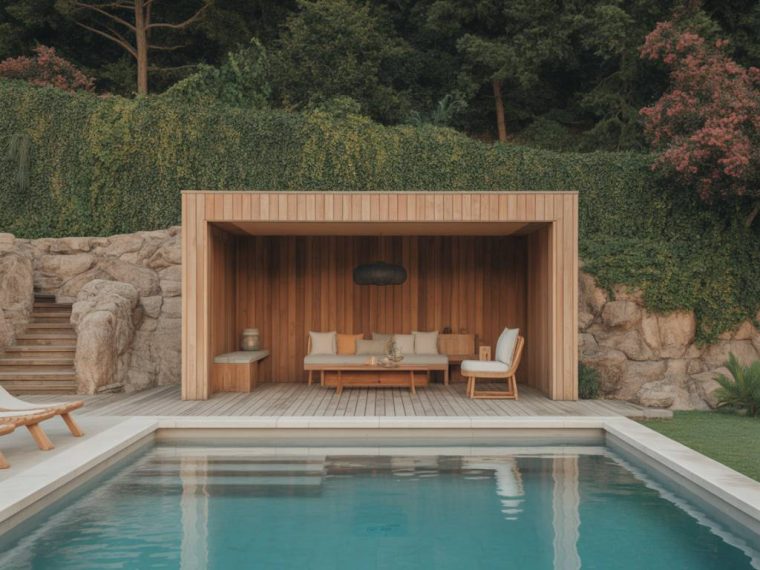
Designing an eco-friendly pool house is one of the most effective ways to extend your swimming season while reducing your environmental footprint. Thoughtful architectural choices, efficient energy systems and sustainable materials can create a comfortable, multi-purpose space that remains usable well beyond the warmest months. This article explores how to plan, build and equip a pool house that is both environmentally responsible and practical, with a focus on solutions that help maintain water quality and preserve warmth around the pool area.
Rethinking the role of the pool house
A pool house is no longer just a place to store floats and towels. When designed with an eco-conscious mindset, it becomes an integral part of the pool’s overall thermal and energy strategy. Instead of adding square meters that simply consume energy, an intelligently planned pool house can:
The starting point is to define the function of your pool house. Will it be primarily technical (housing the pump, filter and storage), or will it also include living areas such as a lounge, kitchenette or even a guest room? The clearer your brief, the easier it becomes to integrate ecological and seasonal-use criteria into the design.
Choosing the right orientation and placement
Site selection and orientation are critical to both energy performance and comfort. The pool house should be positioned in relation to the pool, the sun’s path and prevailing winds.
To maximise passive solar gain:
Wind exposure significantly affects water evaporation and heat loss. By using the pool house as a windbreak on the side most exposed to dominant winds, you can:
In dense gardens or urban settings, placement should also consider existing vegetation, neighbouring structures and privacy. A carefully chosen location can reduce the need for artificial screens and shading systems, which simplifies the design and cuts down on materials.
Passive design strategies for seasonal comfort
Passive design focuses on harnessing natural energy flows before relying on mechanical systems. In an eco-responsible pool house, this means balancing solar gain, shading and natural ventilation.
Useful strategies include:
By combining these principles, the pool house can remain comfortable during spring and autumn with minimal energy input, extending the periods when it can be used as a relaxation or changing area before and after swimming.
Eco-friendly construction materials and finishes
The choice of materials has a direct impact on the environmental footprint and the longevity of a pool house. Chlorinated water, humidity and UV exposure demand robust solutions, yet it is possible to remain within a sustainable framework.
For the structure and envelope, many homeowners opt for:
Interior finishes should be moisture-resistant and easy to maintain without harsh chemicals. Good options include:
Using durable, repairable materials helps reduce waste over the life cycle of the building and avoids frequent replacement, which is both economically and environmentally advantageous.
Insulation and airtightness to extend the season
To use a pool house comfortably from early spring to late autumn, thermal performance is key. Proper insulation and airtightness keep interior spaces warmer on cool days and easier to heat when necessary.
Key elements to consider:
An insulated pool house can also serve as a buffer zone for technical equipment such as heat pumps, increasing their efficiency in cooler weather by protecting them from extreme temperatures and wind.
Efficient heating and renewable energy options
When passive measures are no longer sufficient, efficient heating systems help maintain a pleasant temperature while limiting energy use. For an eco-responsible pool house, the following solutions are particularly relevant:
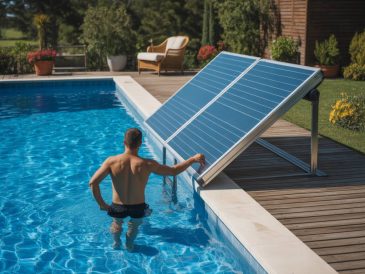
To reduce the carbon footprint, these systems can be powered in part by renewable energy. The most common configurations are:
By concentrating some of the pool’s technical equipment in the pool house and combining it with on-site energy production, it becomes possible to optimise running costs and reduce dependence on the grid.
Water management and eco-responsible facilities
A sustainable pool house design also addresses water usage. Showers, sinks and possibly a washing area for towels all contribute to daily consumption. Smart planning and equipment choices can significantly reduce demand.
Recommended options include:
In addition, choosing eco-friendly cleaning products and installing proper drainage for runoff water helps protect the pool environment from chemical contamination, keeping both the garden and the pool healthier in the long term.
Lighting, electrical systems and smart control
Lighting plays an important role in extending the use of the pool area into the evening and cooler months. To maintain an eco-responsible approach, focus on efficient fixtures and smart controls.
Key practices include:
Connected thermostats and timers can further reduce energy use by limiting heating to periods when the pool house is actually in use. Some systems also provide real-time consumption data, helping you track and adjust your habits over time.
Furnishings, storage and durable accessories
Interior layout completes the eco-friendly concept. Furniture and storage solutions should be functional, moisture-resistant and durable. This is particularly important for items exposed to wet swimsuits, pool chemicals and frequent use.
Sustainable choices may include:
Where possible, favour products with replaceable components and clear repair options. This extends their usable life and reduces the need for frequent replacement, a significant factor in decreasing the environmental impact of a pool-oriented lifestyle.
Integrating the pool house into the landscape
An eco-responsible pool house does not exist in isolation; it interacts with the pool, garden and surrounding ecosystem. The way it is integrated into the landscape directly influences comfort, biodiversity and the overall environmental balance.
Thoughtful planning can include:
These elements contribute to a more stable microclimate around the pool, which in turn helps keep the water temperature more consistent and extends the season during which swimming remains enjoyable.
By carefully combining orientation, passive design, efficient systems and sustainable materials, a pool house can become much more than an accessory structure. It can serve as a comfortable, low-impact hub for poolside living, enabling longer use of the pool while aligning with broader environmental goals. Thoughtful investment in eco-responsible features at the design stage often results in lower running costs, greater comfort and a more resilient outdoor space for years to come.