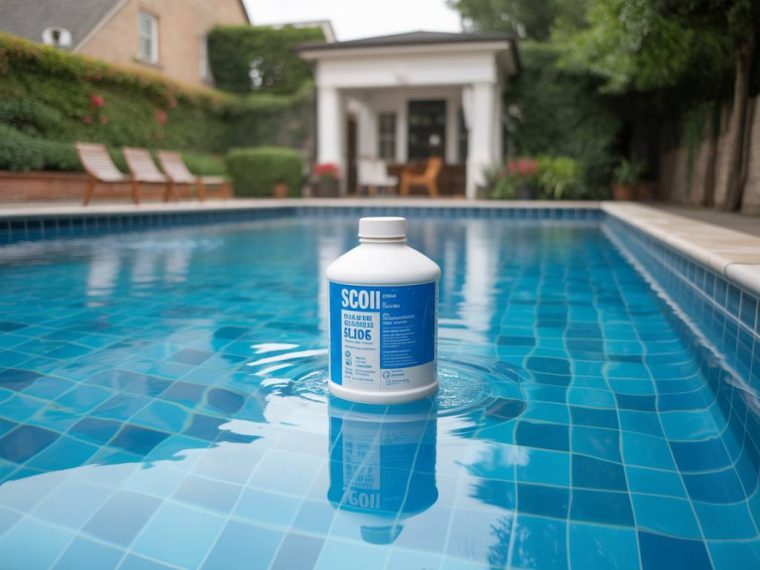
There’s something profoundly satisfying about slipping into a swimming pool that glistens under morning light—water as crystal clear as a mountain spring. Behind that clarity, though, lies an intricate dance of chemistry and care. One product that often surfaces in poolside chats and late-night forum digs is bleach—yes, the same household variant that sits under kitchen sinks. But can swimming pool bleach be used safely in residential pools? And if so, how?
Let’s wade into the depths of this question, with a cup of tea in hand and perhaps a robin chirping somewhere nearby.
Understanding What « Bleach » Really Is
When we talk about bleach, especially in the context of pool maintenance, we’re referring to sodium hypochlorite. This compound is the active ingredient in most household bleaches and also the backbone of commercial liquid chlorine products used in pool sanitation. In essence, they’re cousins—made from the same chemical family, just packaged and concentrated differently.
Household bleach usually contains around 5-6% sodium hypochlorite, while liquid pool chlorine can range from 10-12%. Beyond concentration, the real difference lies in the additives. Household bleach often includes fragrances, thickeners or whiteners—not exactly ideal guests for your serene outdoor retreat.
Can You Use Household Bleach in Your Pool?
Technically, yes—provided it’s unscented, free of additives, and used correctly. But « can » and « should » are two very different beasts, especially when your summertime sanctuary is at stake.
Household bleach is a budget-friendly alternative, and many seasoned pool owners do resort to it during a chlorine crunch or as a supplementary treatment. If used carefully, it can help maintain proper sanitation levels just like commercial liquid chlorine.
Safety First: Dos and Don’ts of Using Bleach in Your Pool
Before reaching for that bottle, there are a few golden rules to follow. Here’s what to keep in mind, whether you’re a first-time pool owner or an old hand with pruned fingertips from years in the water.
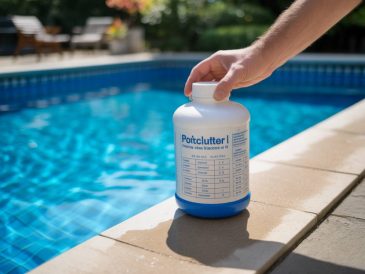
- Choose the right product: Only use plain, unscented household bleach—no fragrances, thickeners, or splashless formulations.
- Calculate the dose: For every 10,000 litres of pool water, about 180 ml of 6% bleach will raise free chlorine by roughly 1 ppm. Invest in a reliable test kit, and check levels daily during active swimming seasons.
- Add it in the evening: Chlorine degrades in sunlight. Adding bleach after sundown helps it work more effectively overnight while reducing unnecessary loss. It also gives the pool time to circulate the chemical properly before the next swim.
- Pour it slowly near the return jets: This ensures even distribution and prevents concentration in specific areas, which could damage liners or surfaces.
- Never mix with other chemicals: This sounds obvious, but it bears repeating—do not store bleach near acids or other pool chemicals, and certainly never combine them in the water. The resulting reaction could be dangerous or even deadly.
My Own First (and Second) Experience with Bleach
I still remember the first time I tried using household bleach in my garden pool. I was mid-project on a new outdoor pergola, hands dusted with sawdust and mind half-distracted, when I realized I’d run out of pool chlorine. The local shop had no stock until Tuesday, and Sunday’s barbecue was looming large.
Armed with a bottle of grocery store bleach and a healthy dose of YouTube-acquired courage, I added a carefully measured amount after sundown. The next morning? The water was clear, the lilac shadows of dawn reflecting off ripple-kissed surfaces, and no algae dared to sprout. I felt a bit like a magician—or at least, a very prepared amateur chemist.
But on another occasion, emboldened by beginner’s luck, I grew impatient. I added bleach during high noon, didn’t pre-dissolve it, and let it settle too close to the shallow-end steps. Within days, faint clouding gave way to visible liner damage—tiny blotchy spots that reminded me that shortcuts have their price. Lesson learned.
The Chemistry Behind the Crystal
When you add sodium hypochlorite to water, it forms hypochlorous acid—the cleaning agent that destroys bacteria, algae, and organic matter. It’s surprisingly poetic, if you think about it: this invisible guardian drifting through your pool, seeking out intrusions like a silent sentinel.
But hypochlorous acid is sensitive. Sunlight, temperature, pH levels—all dance in delicate balance. Which means using bleach isn’t just about dumping in a few glugs when the water looks murky; it requires knowing your pool’s chemical fingerprint and responding with care.
Keep your pool’s pH between 7.2 and 7.6. Below this range, chlorine becomes aggressively reactive and can be corrosive; above it, cleansing efficiency drops, allowing unwanted guests (bacteria, algae, cloudy water) to slip through the cracks.
Bleach and Sustainability: A Surprising Ally?
For those of us trying to reduce environmental impact without compromising on summer bliss, bleach offers an interesting option. It’s readily available, often packaged in recyclable containers, and avoids the carbon footprint of specialty pool chemical transport. Moreover, using just what you need, when you need it, limits chemical waste and runoff.
Of course, responsible handling is key. Store it in cool, shaded areas—sun exposure reduces its potency over time—and never pour leftover bleach into drains or soil. Recycle the empty containers properly, and keep them well away from children and pets.
When Bleach Isn’t Enough
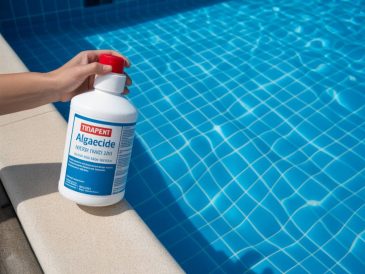
While bleach can be your pool’s everyday guardian, it’s not a miracle worker. During heavy bather loads, after storms, or when battling algae blooms, you may need to shock your pool with a stronger sanitising agent or use specific algaecides. Bleach can maintain—but not always rescue—a troubled pool.
It also doesn’t contain stabiliser (cyanuric acid). Without stabiliser, chlorine levels break down rapidly in sunlight. If you’re relying on bleach, consider adding CYA separately to maintain effective sanitisation, especially during high summer. It’s a bit like using sunscreen daily: a subtle defence that protects your investment hour by hour.
The Verdict From My Garden Bench
Using bleach in a residential pool is a bit like tending a bonsai or crafting the perfect garden border—it requires care, attention, and a willingness to learn from trial and error. Done right, it can be a valuable tool in your pool maintenance arsenal, especially when used with intention and insight.
But again, it’s not about shortcuts. It’s about understanding. Look at your pool not as a chore, but as a living part of your outdoor space—something that deserves thought and tenderness. Whether you choose bleach, tablets, or salt systems, the magic lies not just in the tools, but in the harmony you create along the water’s edge.
And trust me, few things compare to leaning back in a lounger, cicadas humming in the background, knowing that your pool—sparkling and serene—is safe, balanced, and whispering your name.