
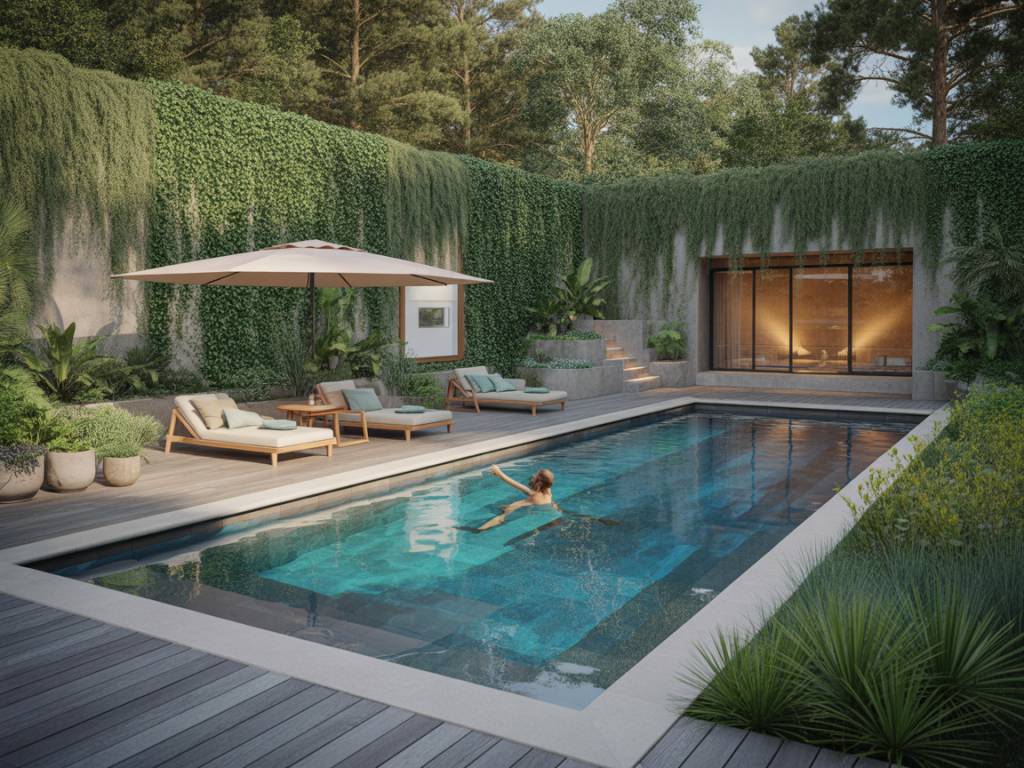
Understanding Biophilic Pool Design
Biophilic pool design is a growing trend that emphasizes the integration of nature into swimming pool projects. The term « biophilia » stems from the concept popularized by biologist E.O. Wilson, referring to humans’ innate affinity for the natural world. In the context of architecture and design, this philosophy seeks to include natural elements to enhance well-being, encourage sustainable practices, and create spaces that blend seamlessly with their surroundings.
In swimming pool design, biophilia can be expressed through the use of organic shapes, natural materials, lush landscaping, and thoughtful environmental integration. The result is a swimming environment that promotes tranquility, ecological harmony, and luxurious relaxation—offering more than just aesthetic appeal but also psychological and environmental benefits.
Embracing Organic Aesthetics
Unlike traditional rectangular pool designs defined by their sharp edges and concrete surroundings, biophilic pools often take on freeform silhouettes inspired by natural bodies of water. These pools may mimic the look of a forest spring, a secluded lagoon, or a meandering stream by using irregular curves, varying depths, and asymmetrical lines to foster a more organic feel.
Key materials in biophilic pool aesthetics typically include:
- Natural stone or river rock for coping and borders
- Water features such as waterfalls or fountains crafted from organic materials
- Decking made from sustainably-sourced wood or natural composites
- Pool interiors that use pebble finishes or colored plaster in earth tones
Together, these elements create an immersive sensory experience, where sight, sound, and touch synchronously align with nature.
Prioritizing Sustainability
Biophilic pool design is not just about aesthetics—it’s also about forging a sustainable relationship with the environment. Eco-conscious homeowners and designers look for ways to reduce the carbon footprint of a swimming pool while enhancing energy efficiency and water conservation. Here’s how biophilic design principles support sustainability:
- Natural Filtration Systems: Many biophilic pools incorporate living systems such as aquatic plants and gravel beds to create biological filters. These elements help maintain water clarity and quality without the need for excessive chemical treatments.
- Saltwater Conversion: Instead of traditional chlorine-based sanitation, saltwater systems offer a more natural and gentle alternative that reduces the impact on both swimmers and the environment.
- Solar Heating: Utilizing solar panels to heat the pool water drastically cuts down on energy consumption and operational costs.
- Rainwater Harvesting: Innovative pool systems can collect and reuse rainwater for top-ups, aiding in water conservation during dry periods.
- LED Lighting: Energy-efficient lighting solutions ensure luxurious nighttime swimming without unnecessary power usage.
These sustainable features not only reflect environmental responsibility but can also lead to long-term cost savings in maintenance and utilities.
Integrating Plants and Landscaping
One of the most striking characteristics of biophilic pool design is the incorporation of lush vegetation. Surrounding a pool with native plants, shrubs, and trees does more than beautify the space; it also supports local ecosystems and provides natural shade, windbreaks, and privacy screens.
When selecting landscaping components for a biophilic pool, consider the following principles:
- Choose drought-resistant and native species to reduce water usage
- Incorporate aquatic plants like water lilies and reeds for both filtration and aesthetics
- Install living walls or green roofs on adjacent pool houses or pergolas
- Use gravel, mulch, or low-impact paving instead of concrete patios
Careful plant placement can also help naturally regulate the microclimate around the pool area, keeping temperatures cooler and improving air quality through transpiration and photosynthesis.
Enhancing the Sensory Experience
Biophilic design considers more than just the visible elements of nature. It’s about engaging all the senses to create a holistic experience. To enhance the sensorial quality around a pool, designers often focus on:
- Sound: Water features like cascades, bubbling rocks, or artificial streams replicate the soothing sounds of nature, promoting relaxation and mindfulness.
- Touch: Natural textures such as wooden decking, soft mosses, and smooth stone borders offer a tactile connection that stimulates the sense of touch.
- Scent: Fragrant plants like jasmine, lavender, and rosemary enrich the ambiance and can have calming aromatic effects.
- Lighting: Soft, warm-colored lighting mimics natural sunlight and promotes a serene atmosphere at dusk and into the evening.
By designing with multisensory considerations, a swimming pool becomes more than just a place to swim—it becomes a therapeutic environment that restores both body and mind.
Combining Luxury with Environmental Awareness
While biophilic pool design emphasizes environmental harmony, it doesn’t compromise on luxury. In fact, many high-end residential and resort pools now adopt this design ethos to provide exclusive, tailor-made experiences that appeal to discerning clients looking for opulence fused with sustainability.
Materials such as teakwood cabanas, eco-friendly fire pits, and solar-powered loungers position biophilic pools at the forefront of modern luxury. Unique additions such as natural stone spas, thermal bathing zones, and secluded nature nooks deliver a five-star retreat feel in your own backyard. The luxury of these features lies not only in their cost or style but in their ability to deliver comfort in harmony with the Earth.
Designing with Context and Climate in Mind
Unlike traditional pools that may ignore the environmental context, biophilic pools are deeply rooted in their location. Designing with the regional climate, ecosystem, and topography in mind ensures that each project is unique and environmentally attuned. For instance, a pool in a Mediterranean climate might feature olive trees, terracotta stones, and shade structures to protect against harsh sun, while a pool in a temperate forest might rely more on shade gardens and native ferns to blend into its lush environment.
By aligning with local materials and weather patterns, these pools not only reduce environmental strain but also age more gracefully over time, avoiding the visual and structural dissonance often found with standardized designs.
Is a Biophilic Pool Right for You?
If you value nature, sustainability, and a deep sense of connection with your surroundings, a biophilic swimming pool may be the right choice. Whether you are planning a new construction or retrofitting an existing poolscape, integrating biophilic elements can elevate your outdoor environment into a sanctuary for the senses.
The initial investment in materials and design expertise might be higher compared to a conventional pool, but the dividends are paid in the form of lower operational costs, improved well-being, and a lasting sense of tranquility. As the demand for eco-conscious living spaces continues to rise, biophilic pool design offers an ideal blend of innovation, luxury, and respect for the planet.