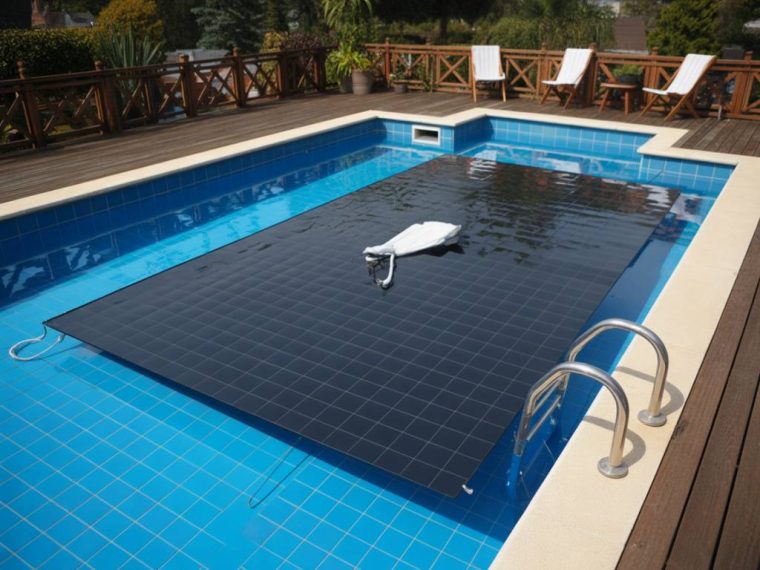
Why a Solar Cover Is More Than Just a Pool Accessory
There’s a certain kind of stillness that arrives just before sunset in the garden. The buzzing of insects softens, the breeze turns cool, and if your pool sits quietly among the hedges and flowerbeds like mine does, you’ll notice it — the gentle warmth that’s lingered all day beneath the surface. That’s energy. Free, renewable, golden energy from the sun. And if you’re thoughtful about it, you can trap that warmth using nothing more than the right solar cover.
Whether your 10ft pool is the heart of summer play or your personal refuge for quiet immersion, choosing the right solar cover is essential not just for comfort, but for sustainability. Let’s explore the best options for 10ft swimming pool solar covers and the many ways they can transform your outdoor experience.
What is a Solar Pool Cover and How Does It Work?
At its core, a solar pool cover — also called a solar blanket — is a sheet made of UV-resistant polyethylene or vinyl, dotted with air bubbles that resemble bubble wrap. But don’t be fooled by appearances. Beneath those playful dimples hides a clever mechanism that captures and retains solar energy.
When laid gently across your pool’s surface, the cover performs three essential functions:
- Retains Heat: Traps the day’s warmth and prevents it from escaping into the cool night air.
- Reduces Evaporation: Acts as a barrier against water loss, which helps maintain chemical balance as well.
- Keeps Debris Out: No more removing leaves, petals, and insects every morning.
I remember the first evening I unrolled a solar cover over my modest circular pool—a 10ft frame colossus, carefully tucked between raised beds of lavender and thyme. The next morning, the water was noticeably warmer. Not bath-like, of course, but inviting. And with no electric heater involved, the planet smiled too.
The Best Types of Solar Covers for a 10ft Pool
Not all solar covers are created equal, especially when it comes to performance. For a 10ft swimming pool, size compatibility is critical, but materials, thickness, and transparency also play pivotal roles.
1. Bubble Solar Covers (Standard)
The most common and cost-effective option, bubble solar covers are ideal for lightweight handling and basic insulation. Think of them as your pool’s thermal coat.
- Material: Polyethylene with air bubbles on one side.
- Thickness: Generally between 200 and 400 microns — the thicker, the better the insulation.
- Best For: Casual users looking to extend swim season and avoid chilly dips in late afternoons.
I’ve replaced one of these nearly every two seasons — not because they failed, but because I wanted to see what the difference was when upgrading. They’re affordable, practical, and incredibly easy to install solo.
2. Geobubble Technology Covers
If you’re ready to invest in performance and durability, Geobubble covers come into view like a well-mulched garden bed — more sophisticated, purposefully designed down to the last curve.
- Material: UV-stabilised polyethylene with rounded bubble shapes to resist degradation.
- Lifespan: Up to 6–10 years with proper care.
- Thermal Efficiency: Retains up to 70% more heat than standard covers.
I’ve had mine for three summers now, and even after a particularly blaze-heavy July, the edges haven’t frayed. It rests like a protective skin across the pool, and functions beautifully even on overcast days.
3. Solar Rings or Panels
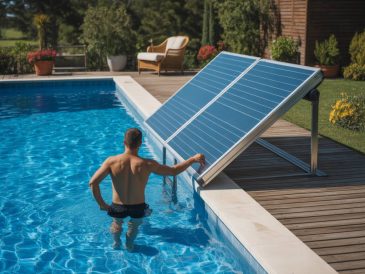
While not technically a “cover,” solar rings or modular panels float independently on the surface and absorb solar energy actively rather than just trap it. They are sleek and slightly futuristic in design.
- Portability: Easy to remove and install. Also flexible — just add more rings to increase surface coverage.
- Efficiency: Often used in tandem with traditional covers for quicker heating.
- Design Appeal: A more elegant look for minimalist garden aesthetics.
If your 10ft pool doubles as a visual feature — perhaps surrounded by white stone tiles and gatherings of clipped boxwood — solar rings might keep the view open while still doing the hard work behind the scenes.
4. Thermal Covers (Foam Covers)
For those building year-round use into their landscaping dreams, thermal covers (sometimes called foam or insulated covers) offer serious heat retention capabilities.
- Material: Solid foam layers with a protective vinyl skin.
- Heating Support: Often used in pools equipped with heaters to minimize energy consumption.
- Drawback: Heavier and more cumbersome to store — you’ll want a reel system in place.
I worked with one in a rural client’s garden who used her 10ft plunge pool even into late September. This was key in her case: every watt saved came back in the form of morning bliss and guilt-free sustainability.
How to Choose the Right Solar Cover for Your Garden Pool
Selecting your cover is a little like choosing the right shrub for a shady corner. You need to think about more than just how it looks; your environment, usage habits, and long-term goals all matter.
Consider These Factors:
- Frequency of Use: Daily swimmers? Choose a lightweight cover. Occasional dipper? Go for higher thermal efficiency.
- Budget: Bubble covers start at around £25–£35 for a 10ft pool. Geobubble covers or thermal options will sit closer to £70–£100+
- Installation Ease: If you’re managing solo, steer clear of the heavier foam varieties — unless you install a roller mechanism.
- Aesthetic Integration: Covers in light blue tend to blend seamlessly into most pool designs, especially heritage-style or cottage gardens.
I encourage coatings that let the light in — rather than darker opaque versions. Not only do they perform better at heating the water, but there’s something visually magical about watching sunrise filter over the cover’s gentle texture.
Tips for Maintenance and Storage
Just as you wouldn’t leave your pruning shears out in the February frost, your solar cover deserves proper care. Here are a few hard-earned lessons I’ve learned:
- Rinse Regularly: Chlorine and pool chemicals can degrade the cover — so hose it down weekly and store dry.
- Use a Reel System: Particularly helpful for Geobubble or foam covers. It makes morning unveilings poetic, not painstaking.
- Avoid Folding: Always roll your cover when storing. Creases can weaken the structure over time.
- Shade Storage: When not in use, tuck it into a UV-resistant bag or container. Think of it like overwintering your favourite pelargoniums.
A Small Step Towards Sustainable Swimming
Living alongside a pool invites reflection — not only upon the glassy water’s surface but on our relationship with energy, nature, and leisure. Switching to a solar pool cover isn’t just about comfort; it’s about reducing reliance on grid-powered heating systems, conserving water, and aligning your outdoor lifestyle with the harmony of the garden around it.
For my part, I’ve found solar covers to be a quiet kind of victory — effortless once you’ve made the leap. On more than one summer morning, I’ve dipped in, coffee in hand, and emerged grateful: not only for warm water, but for the decision that made it happen sustainably.
So if your 10ft pool is already a small pleasure in your life, consider a solar cover as its companion. Modest in cost, generous in return — and entirely in tune with the rhythm of an outdoor life well lived.